Introduction
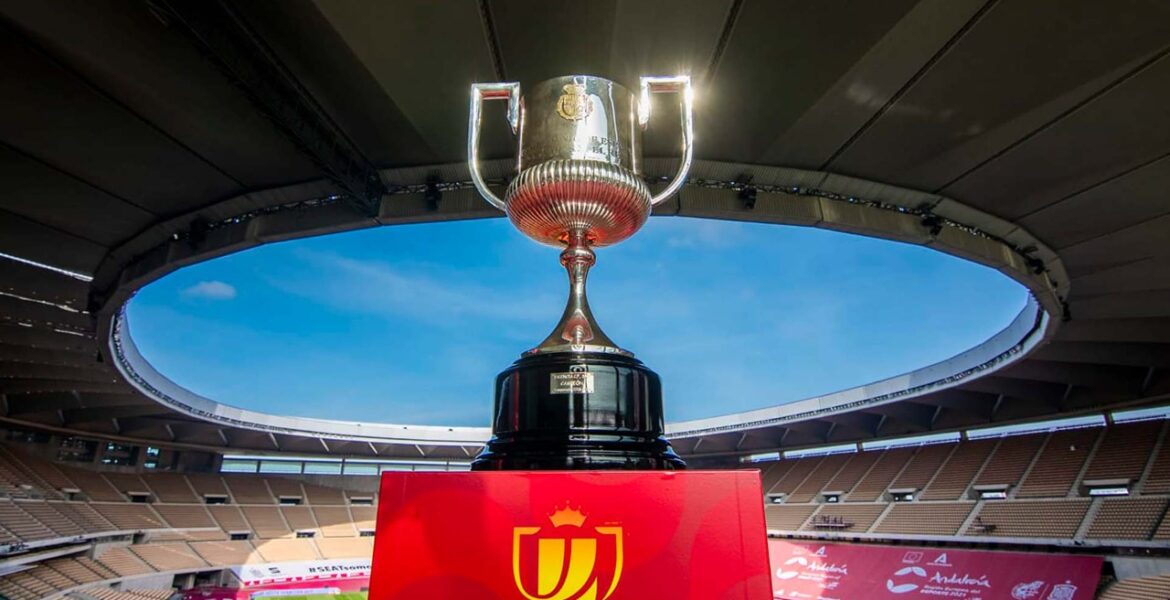
The Copa del Rey, or the King’s Cup, is one of the oldest and most celebrated football tournaments in Spain, showcasing the nation’s rich football heritage. Established in 1903, it is a knockout competition that involves teams from various divisions, including amateur clubs, making it a truly diverse event. The significance of the Copa del Rey extends beyond mere sporting glory; it symbolizes pride, passion, and the vibrant culture of Spanish football.
Recent Developments
The latest edition of the Copa del Rey has been particularly exciting, with several upsets and thrilling matches capturing the attention of football fans. This year’s tournament saw the likes of FC Barcelona, Real Madrid, and Atletico Madrid competing fiercely, but it also allowed lower-tier teams the chance to shine on a grand stage. Notably, in the recent quarter-finals, a second-division team managed to eliminate a top-flight club, highlighting the unpredictability and excitement that the tournament is known for.
As of October 2023, the semi-finals are set to kick off with intense match-ups anticipated. Analysts predict that this year’s final could feature a classic showdown between historic rivals, promising a captivating contest that could go down in history. The matches not only bring excitement but also economic benefits to host cities, as fans flock to stadiums and local businesses enjoy increased patronage.
The Importance of the Copa del Rey
The Copa del Rey holds a unique place in Spanish football as it provides an opportunity for teams from different tiers of the sport to compete. This inclusivity is crucial for the development of football in the country, allowing smaller clubs to gain exposure and experience playing against larger, more established teams. Furthermore, it serves as a springboard for emerging talents, who often use this platform to showcase their skills to scouts and clubs at higher levels.
Moreover, the tournament fosters a sense of community and regional pride, as fans rally behind their local clubs, supporting them in their quest for glory. The final, typically held at the iconic Estadio de La Cartuja in Seville, is a carnival atmosphere, drawing supporters from across the nation.
Conclusion
In conclusion, the Copa del Rey continues to be a pivotal event in Spanish football, rich with history and significance. As the tournament advances towards the semi-finals, excitement builds not only for fans but also for the teams aiming to lift one of the most coveted trophies in Spanish sport. Looking ahead, the Copa del Rey is set to remain integral to Spain’s football landscape, celebrating both tradition and the spirit of competition for years to come.
You may also like