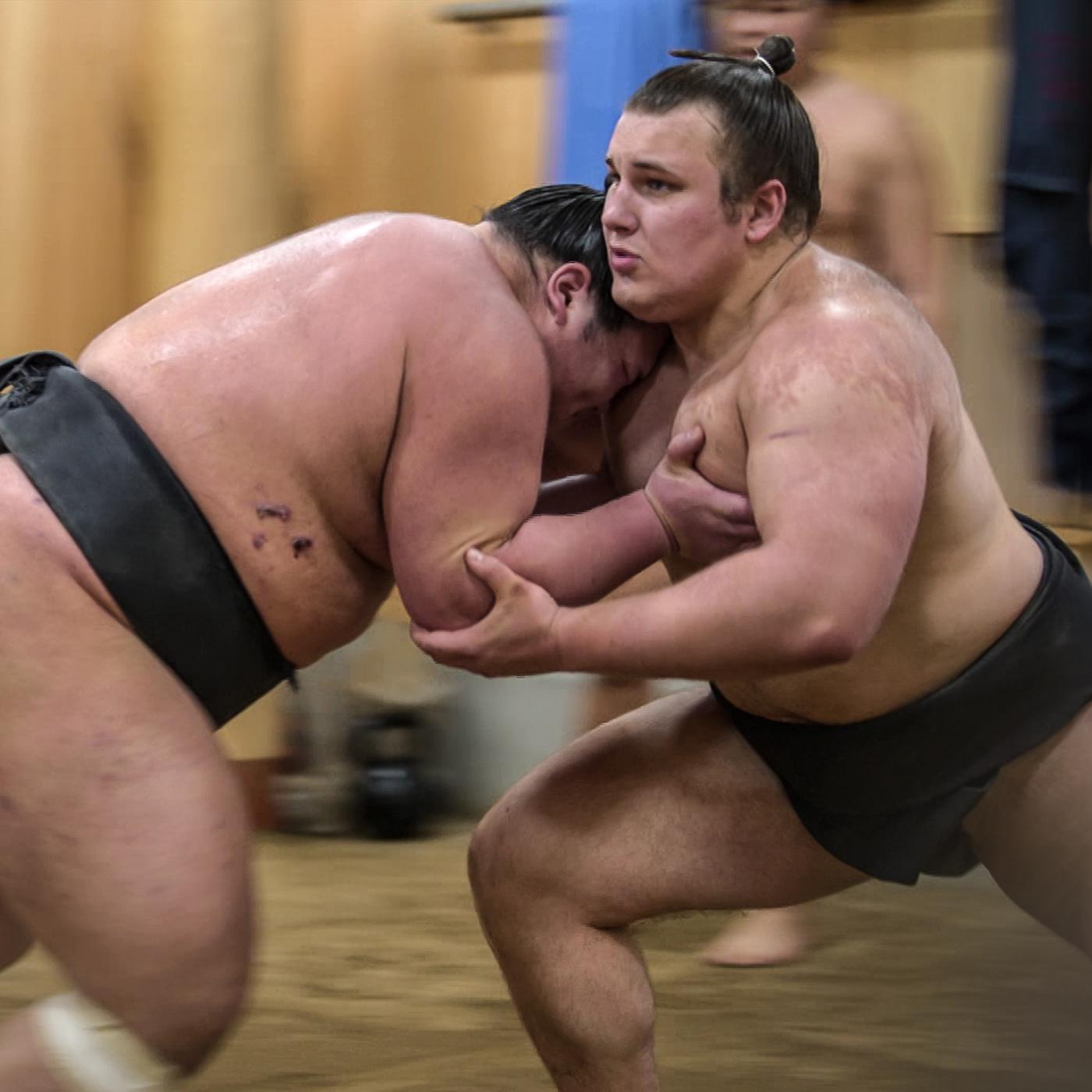
Introduction to Sumo Wrestling
Sumo wrestling, Japan’s national sport, has captivated audiences for centuries with its unique blend of physical prowess, tradition, and spirituality. Historically, sumo dates back over a thousand years, originating from ancient ceremonial practices. It is not just a sport; it is a revered cultural icon symbolising strength, honour, and discipline. Today, as Japan continues to embrace both modernity and tradition, sumo wrestling finds itself at a crossroads, attracting new fans and adapting to contemporary lifestyle changes.
The Current State of Sumo
As of October 2023, sumo wrestling remains an integral part of Japanese culture, with six major tournaments held annually across the country. The Japan Sumo Association (JSA) oversees the sport, ensuring that traditional ceremonies and rituals are preserved while promoting the sport to wider audiences. Recent statistics show that the attendance at major tournaments has seen a resurgence post-pandemic, with the Nagoya Basho in July drawing record crowds, highlighting a revived public interest in watching live matches.
The sport, however, is not without its struggles. Sumo has been facing challenges related to its aging demographic. The number of active rikishi (wrestlers) has been declining, with many young athletes opting for different career paths. To counter this trend, the JSA has launched initiatives aimed at increasing youth participation in sumo. They are focusing on school outreach programmes and regional development to inspire a new generation of wrestlers.
Cultural Relevance and Global Impact
Sumo’s cultural significance extends beyond just the athletic aspect. It plays a crucial role in preserving various Japanese traditions, such as rituals, attire, and the highly ceremonial nature of the matches. Each bout begins with ceremonial rituals, including the shiko (stomping) that symbolises the wrestlers’ preparation for battle. These deep-rooted customs attract tourists from around the world, contributing to Japan’s cultural tourism industry.
In recent years, sumo has also gained international recognition, with an increasing number of foreign wrestlers joining the sport. Notable figures like Hawaiian-born Yokozuna, Akebono, and Estonian-born Kaido Höövelson (Kotoōshū) have brought global visibility to sumo, expanding its appeal beyond Japan. This global influence is further supported by broadcasting deals and social media, allowing fans worldwide to engage with the sport.
Conclusion and Future of Sumo
In conclusion, sumo wrestling is poised at an exciting juncture, balancing tradition with the need for evolution in a changing world. As initiatives aimed at youth participation take flight, and the sport continues to reach international audiences, the future looks promising. Sumo’s enduring legacy as a cultural symbol of Japan will not only survive but thrive, proving that even a centuries-old tradition can adapt while remaining true to its roots.
You may also like