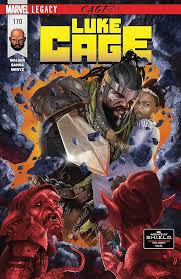
Introduction to Luke Cage
Luke Cage, also known as Power Man, is a significant character in the Marvel Comics universe. First appearing in “Luke Cage, Hero for Hire” in 1972, his character was revolutionary, breaking racial stereotypes and shedding light on the struggles faced in urban America. His importance extends beyond comic pages, influencing television series, films, and even discussions about social justice.
The Rise of Luke Cage
Created by writer Archie Goodwin and artists John Romita Sr. and George Tuska, Luke Cage was introduced during a time when the Blaxploitation film movement was at its peak. His character was designed as a strong, black superhero who fought against crime in Harlem. This portrayal provided representation for black audiences and challenged the prevailing norms of superhero narratives that were predominantly white. As a character, Cage possessed superhuman strength and unbreakable skin, which resonated with fans seeking empowerment.
Adaptations and Cultural Significance
Luke Cage’s impact has transcended comic book culture, most notably through the critically acclaimed Netflix series, “Marvel’s Luke Cage,” which premiered in 2016. This series, blending action with social commentary, tackled issues such as systemic racism, police brutality, and community resilience. The show received praise for its authentic portrayal of Harlem and its nuanced representation of black culture. The character was brought to life by actor Mike Colter, whose performance solidified Luke Cage as a cultural icon. The series also drew attention to the importance of representation in media, pioneering a path for more diverse superhero narratives.
Current Developments and Future Prospects
As of 2023, there has been speculation about the future of Luke Cage within the Marvel Cinematic Universe (MCU). Following the conclusion of his Netflix series, fans have been eager for a potential revival or integration into broader MCU storylines, especially with upcoming projects that explore multiverses and reintroduce beloved characters. With the growing focus on diversity in superhero storytelling, Luke Cage’s character remains relevant, and his stories continue to resonate with audiences looking for heroes that reflect their realities.
Conclusion
In summary, Luke Cage stands as a landmark character in comic book history. His representation of black culture, struggles, and strength makes him a vital figure not only in the realm of superheroes but also in the ongoing conversation about race and identity in America. As discussions about diversity and representation continue, the legacy of Luke Cage will undoubtedly inspire future generations, proving that heroes come in many forms and from various backgrounds.
You may also like