Introduction
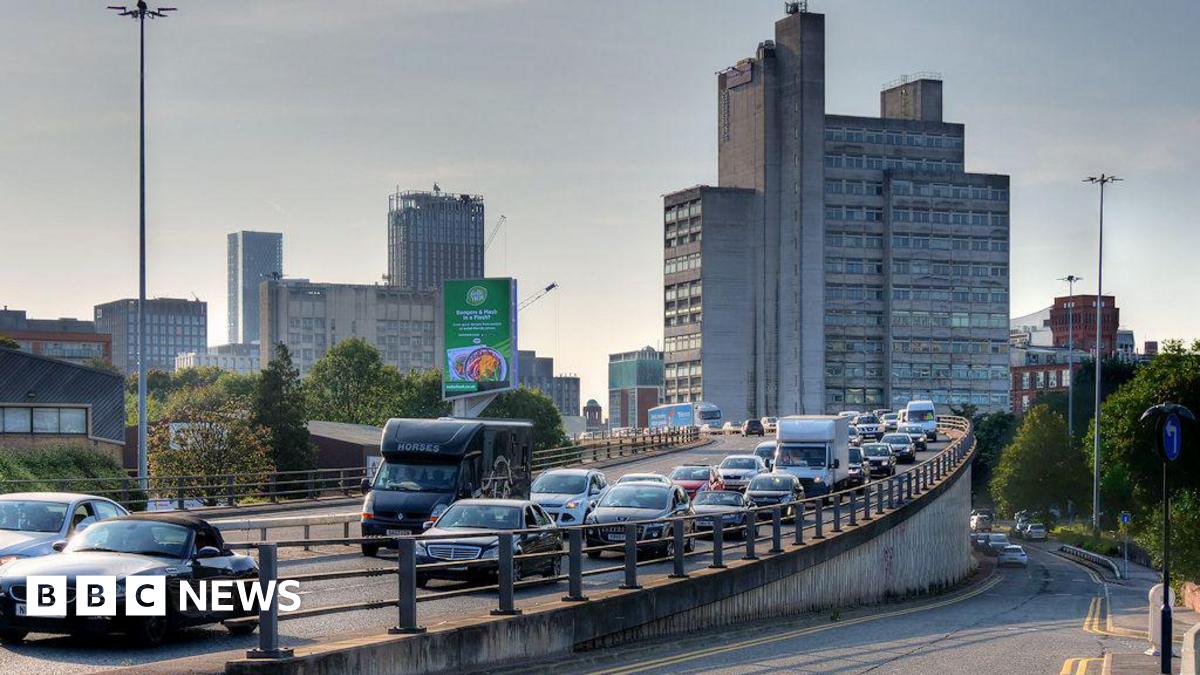
The Mancunian Way stands as a vital arterial route in Manchester, UK, playing a critical role in the city’s transport infrastructure and urban development. Opened in the 1960s, this dual carriageway runs through the heart of Manchester and epitomises the city’s rapid evolution during the post-war era. Understanding its significance helps illuminate Manchester’s socio-economic dynamics, as well as the challenges it faces today.
The Role of Mancunian Way
Mancunian Way serves as a major route for commuters, linking key areas within the city, including the city centre, universities, and residential districts. It also connects with the M62 motorway, facilitating access to other regions in the North West of England. Recent statistics suggest that the route handles over 50,000 vehicles daily, highlighting its importance in reducing congestion and providing swift travel through Manchester.
Current Developments and Challenges
In recent years, Manchester City Council has put an increased focus on sustainable urban mobility, aiming to reduce vehicle emissions and encourage public transport use. In alignment with these goals, proposals for enhancing public transport access and creating more pedestrian-friendly areas adjacent to the Mancunian Way have been tabled. These developments are crucial considering the air quality issues that plague the area due to heavy traffic.
Moreover, the route’s aging infrastructure is in need of revitalisation. Ensuring safe and efficient transit is paramount as the city heads towards a greener future, especially considering Manchester’s ambitious goals to become carbon neutral by 2038. There is ongoing dialogue regarding the feasibility of introducing green corridors alongside the Mancunian Way and improving cycle lanes to promote alternative transport modes.
Conclusion
The Mancunian Way is more than just a road; it represents Manchester’s evolution as a city and its ongoing challenges. With the balance between traffic management, air quality, and urban development taking precedence in the city’s agenda, its future significance will invariably intertwine with the broader sustainable goals Manchester aims to achieve. For local residents and commuters, ongoing improvements could lead to a more accessible, eco-friendly transport landscape that reflects the city’s commitment to progress.
You may also like