Introduction
Situated in the heart of London, the Kensington Roof Gardens are a stunning example of urban landscaping and a unique retreat from the hustle and bustle of city life. These gardens, created in 1938 by the property tycoon Sir William Eden, cover 1.5 acres and are located 100 feet above ground level on top of the former Derry and Toms department store. As urban spaces become increasingly vital to provide greenery in cities, the Kensington Roof Gardens serve as a model for incorporating nature into urban environments.
A Glimpse into the Gardens
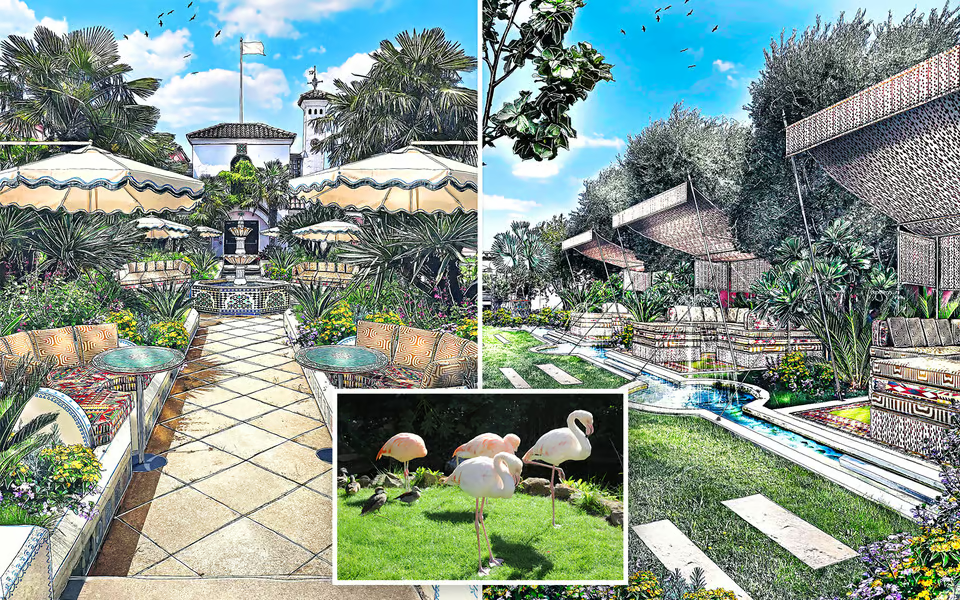
The Roof Gardens boast three themed sections: the Spanish Gardens, the Tudor Gardens, and the English Woodland Gardens, each offering a distinct atmosphere and variety of plant life. Visitors can wander amongst over 70 species of trees, an extensive array of flowers, and even an impressive pond that hosts wild fowl. Designed by renowned landscaper Ralph Hancock, these gardens not only offer remarkable views of the London skyline but also a tranquil space for relaxation.
Events and Community Engagement
Over the years, the Kensington Roof Gardens have been more than just a beautiful landscape; they’ve hosted numerous events, from social gatherings to corporate functions. In recent months, they have begun to re-introduce public events and group activities, fostering community engagement. This initiative aligns with broader trends seen in the city, where green spaces are becoming integral to social interaction, especially post-pandemic. Additionally, the ongoing efforts to maintain and enhance these gardens have paved the way for collaborations with local schools and community groups, promoting education about horticulture and biodiversity.
Conclusion
The Kensington Roof Gardens are a prime example of how innovative urban design can lead to the creation of serene environments in bustling cities. With their ongoing commitment to accessibility and community involvement, these gardens not only enhance London’s landscape but also play a significant role in improving the quality of life for its residents. As more people seek refuge in these green spaces, the importance of preserving and promoting such urban oases will only continue to grow, encouraging a collective responsibility to nurture them for future generations.
You may also like