Introduction
Eswatini, formerly known as Swaziland, is a small landlocked kingdom in Southern Africa, bordered by South Africa and Mozambique. Despite its size, Eswatini holds immense cultural and historical significance, and recent political events have put it in the global spotlight. The developments within this nation are crucial not only for its citizens but also for understanding broader regional dynamics in Southern Africa.
Recent Political Developments
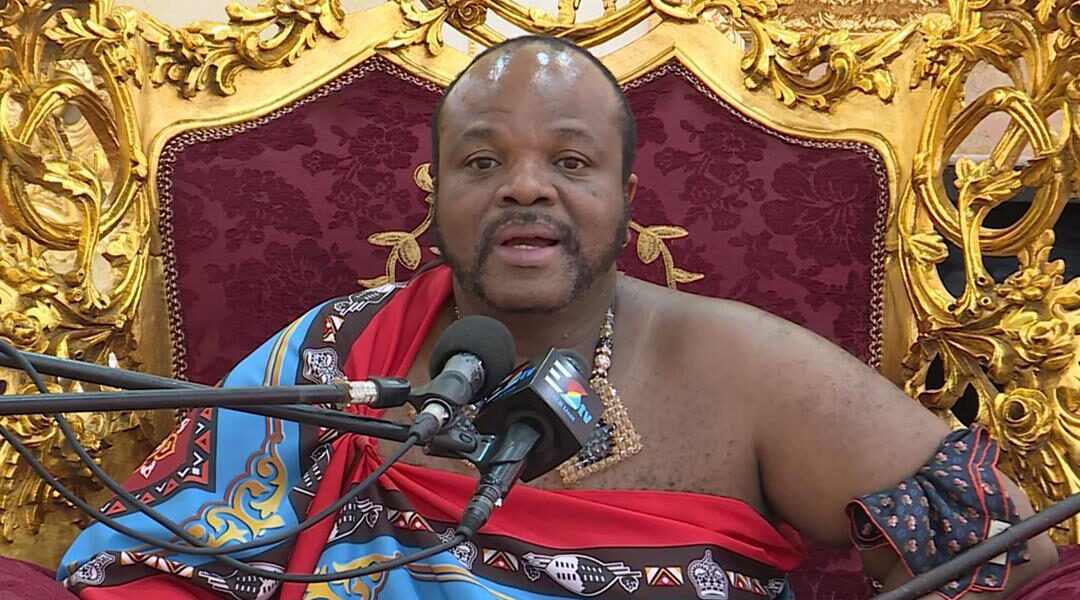
In recent months, Eswatini has experienced significant political unrest marked by calls for democratic reform. Protests erupted in mid-2021, primarily driven by frustrations over the long-standing absolute monarchy of King Mswati III. Demonstrators have demanded greater political freedoms, an end to police brutality, and constitutional reforms that allow for democratic representation. The government’s response included stringent crackdowns on protests, leading to increased tensions between citizens and authorities.
As of late 2023, the situation remains precarious. Activists have reported ongoing detentions of protest leaders and restrictions on free speech. In response, international observers and local NGOs have urged the government to initiate dialogues with opposition groups to foster a more inclusive political environment. The Southern African Development Community (SADC) has also intervened, suggesting measures to ease tensions.
The Economic Landscape
Alongside its political challenges, Eswatini faces economic hurdles, exacerbated by the COVID-19 pandemic. The economy heavily relies on agriculture and exports, particularly sugar and textiles. However, rising unemployment and poverty rates have led to a more uncertain future. The government has proposed various economic reforms aimed at recovery and diversification, although these measures have yet to yield substantive outcomes for the populace.
Conclusion
The current situation in Eswatini is a reflection of broader trends in governance and civil society within Africa. As the country navigates its tumultuous political landscape and economic challenges, the actions taken by both the government and protesters will be instrumental in determining the future for Eswatini. Observers remain hopeful that concessions toward political reform may arise from these tensions, potentially leading to a more stable and prosperous nation. For readers, following the developments in Eswatini can shed light on the complexities faced by many nations in transition towards democracy.
You may also like