Introduction
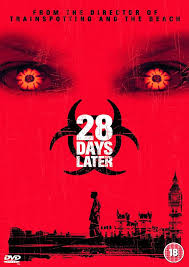
Released in 2002, ’28 Days Later’ is a pivotal film that redefined the zombie genre in contemporary cinema. Directed by Danny Boyle, the film’s innovative storytelling and chilling depiction of a post-apocalyptic world resonate with audiences even two decades later. Its relevance not only lies in the horror genre but also in how it reflects societal fears and anxieties, particularly the themes of contagion and survival.
The Film’s Impact
’28 Days Later’ follows the story of Jim, portrayed by Cillian Murphy, who awakens from a coma to find London deserted and overrun by a rage-fueled virus that transforms people into aggressive zombies. The film was groundbreaking, employing a handheld camera style that heightened its realism and urgency. It combined elements of horror with a deep emotional core, showcasing the vulnerability of humanity in the face of imminent collapse.
Upon its release, ’28 Days Later’ received critical acclaim, grossing over £45 million worldwide against a budget of just £5 million. Critics praised its intense atmosphere and the performances of its cast, particularly Murphy, Naomie Harris, and Brendan Gleeson. The film revitalized the zombie genre and paved the way for subsequent hits such as ‘The Walking Dead’ and ‘World War Z’, establishing a new standard for storytelling within the horror landscape.
The Cultural Significance
More than just horror, ’28 Days Later’ captures the psyche of early 21st-century anxieties, particularly concerning viral outbreaks. The film’s themes of isolation, human behaviour under distress, and societal breakdown resonate acutely in today’s world, especially in light of recent global events, such as the COVID-19 pandemic. The fear of unseen contagion and the breakdown of social order depicted in the film mirrored real-life fears, leading to a renewed interest in its narrative.
Conclusion
As ’28 Days Later’ approaches its 21st anniversary, its significance continues to endure. It is not merely a film about zombies, but a commentary on humanity’s fragility in crisis. Its legacy persists, influencing filmmakers and captivating audiences with its blend of horror, social commentary, and innovative storytelling. As viewers revisit the film or discover it for the first time, they are reminded of the thin line that separates civilization from chaos and the fundamental human struggle for survival.
You may also like