Introduction
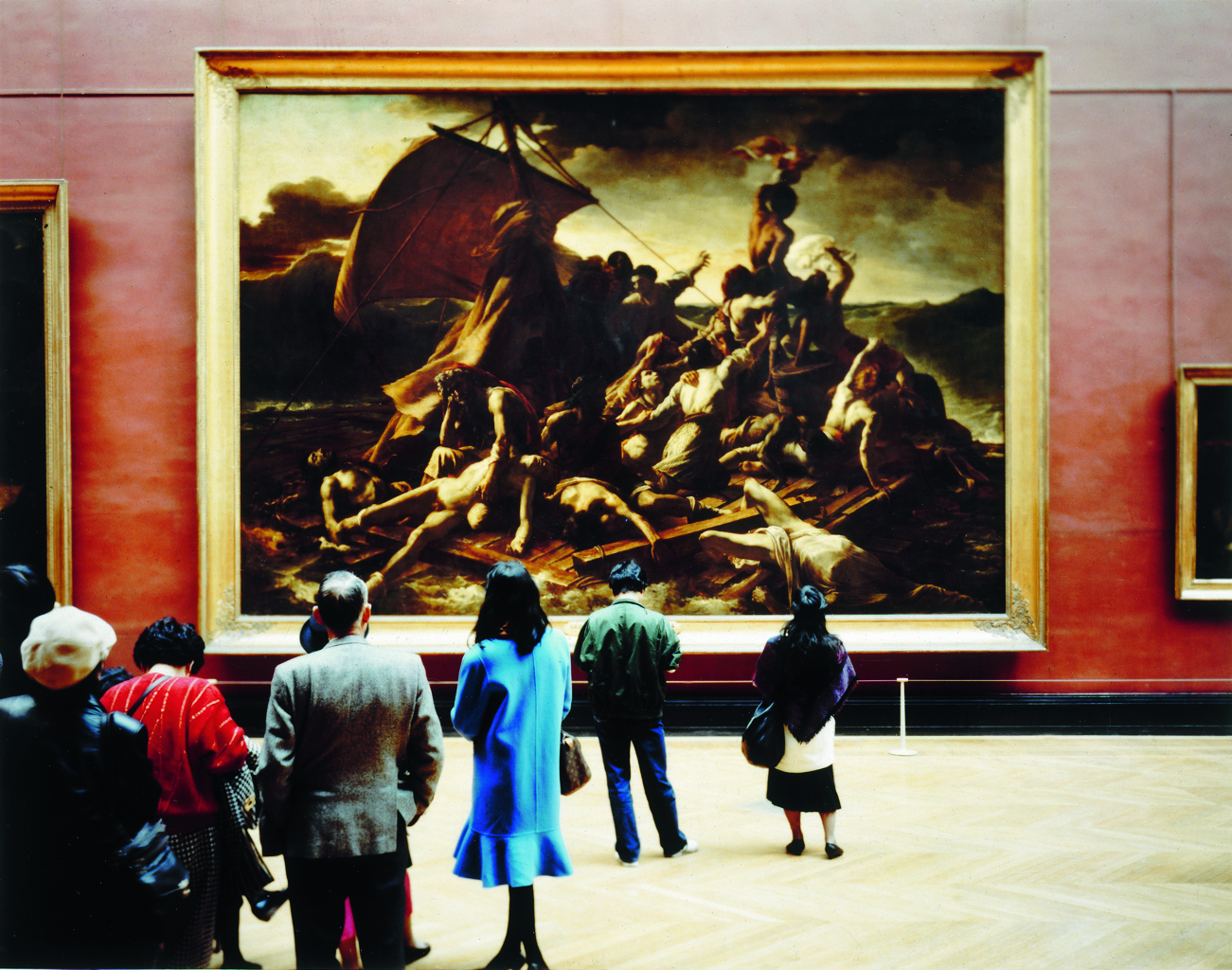
The Louvre Museum, located in Paris, France, is not only the largest art museum in the world, but it is also a historic monument of France. With over 38,000 objects displayed across 72,735 square meters, the Louvre is a central part of cultural life in Paris and a major attraction for both locals and tourists alike. Its extensive collection spans thousands of years and includes works from ancient civilization to the 19th century, making it a vital institution for understanding the evolution of art and culture.
History of the Louvre
The Louvre was originally built as a fortress in 1190 by King Philip II and later became a royal palace in the 16th century. In 1793, during the French Revolution, it was transformed into a public museum. Since then, it has undergone several renovations and expansions, including the iconic glass pyramid designed by I. M. Pei, which was inaugurated in 1989. This modern addition successfully blends contemporary architecture with the historical context of the museum.
Current Exhibitions and Features
The museum houses some of the most famous artworks in the world, including the ‘Mona Lisa’ and the ‘Venus de Milo’. Recent exhibitions have expanded the museum’s themes, showcasing works that reflect diverse artistic movements and cultures. In 2023, the Louvre has focused on expanding its online accessibility with virtual tours and digital exhibits, allowing global audiences to experience its collections.
Visitor Experience
The Louvre attracts approximately 9.6 million visitors annually, making it one of the most visited museums globally. To enhance the visitor experience, the museum has implemented timed ticketing to manage crowds effectively. Guests can explore the vast galleries at their own pace or join guided tours that delve deeper into the history of the artworks and the building itself.
Conclusion
The Louvre Museum remains an essential destination for anyone interested in art and history. As it continues to adapt and innovate, the museum is set to attract even more visitors through its engaging exhibitions and educational programs. Whether you are an art aficionado or a curious traveller, the Louvre offers a unique opportunity to connect with centuries of cultural heritage that are sure to leave a lasting impression.
You may also like