Introduction
The political colour of a state can have significant implications for its policies and governance. Understanding whether Utah is a red state sheds light on its political alignment, voting trends, and demographic characteristics. Known for its Republican dominance in recent elections, the question of whether Utah is a red state is particularly relevant in the context of national politics and upcoming elections.
Political Landscape of Utah
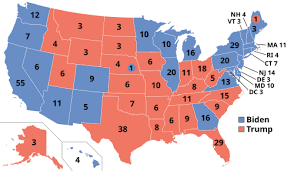
Historically, Utah has been considered one of the most reliable Republican strongholds in the United States. In the 2020 presidential election, Donald Trump won Utah with approximately 58.1% of the votes compared to Joe Biden’s 37.7%. This trend is echoed in statewide elections, where Republican candidates frequently secure victories across various offices. Utah’s Governor, Spencer Cox, and its congressional delegation are all from the Republican Party, highlighting its conservative leanings.
Demographics and Voter Trends
Utah’s population is largely influenced by a significant Mormon community, which tends to lean towards conservative values. The state’s demographics have also played a role in its political alignment, with the predominantly white population of around 86% reflecting conservative views on many issues. However, recent changes in demographics, particularly an influx of younger residents and those moving from more liberal states, have started to introduce a degree of political diversity into the state. In Salt Lake City and other urban areas, Democratic influence is growing, albeit slowly.
Significance of Recent Elections
The 2022 midterm elections showcased this political divide further, as some districts in urban areas voted more favourably for Democratic candidates. Voter turnout remains crucial here; while generally lower than some states, engaged young voters in urban areas could shift future election results. Additionally, national issues such as healthcare, education, and climate change resonate differently across the state, presenting challenges for both parties.
Conclusion
In summary, while Utah is predominantly a red state, ongoing demographic changes and shifting political sentiments in urban areas hint at a more complex landscape. Observers will need to keep an eye on these trends as future elections unfold. The increasing involvement of younger voters and diverse populations could lead to a recalibration of support for Democratic candidates in the coming years. Therefore, while Utah remains a stronghold for Republican politics, its evolving dynamics mean that it is a state to watch in the context of national politics.
You may also like