Introduction
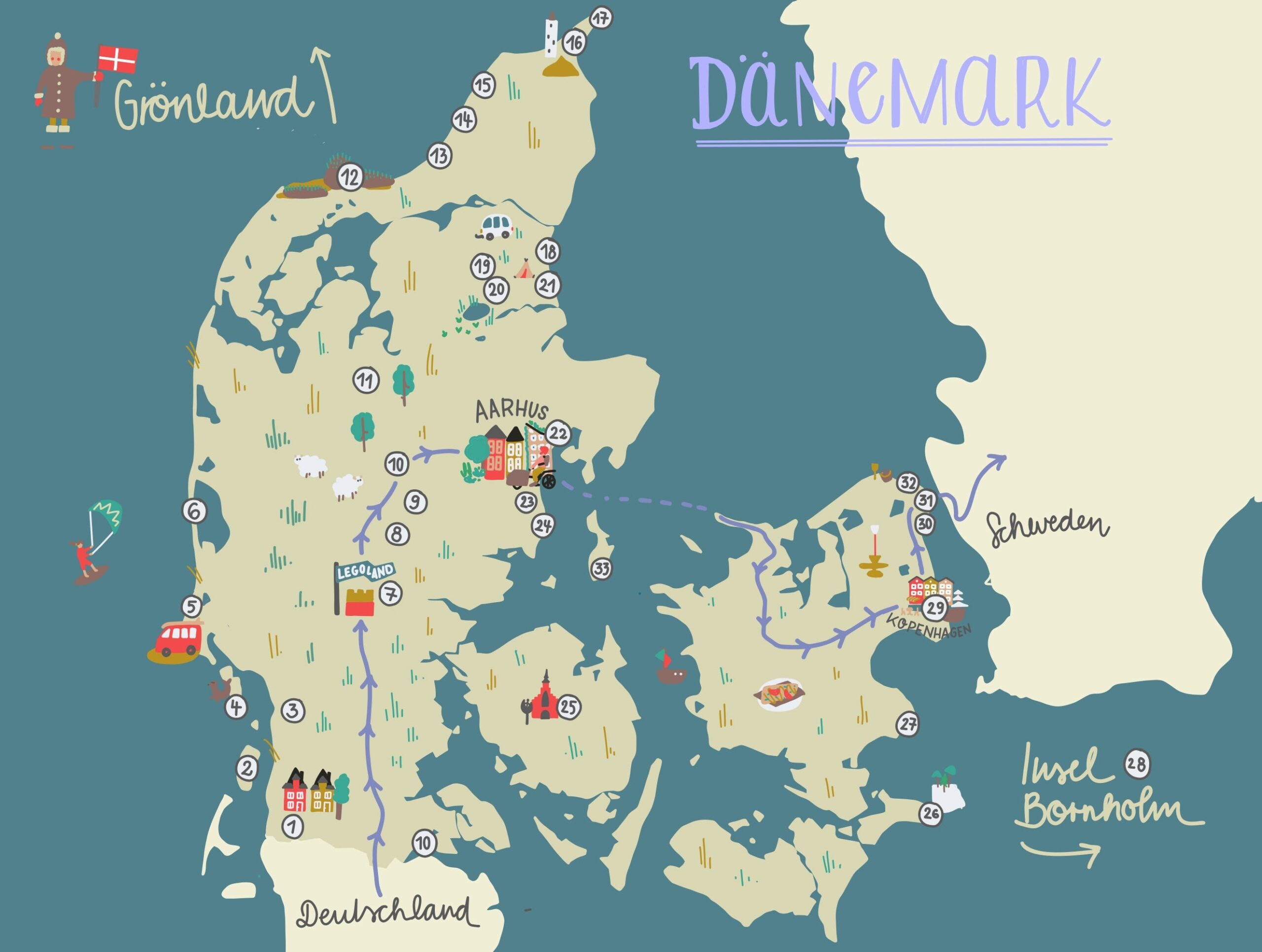
Denmark, a country known for its rich history, innovative design, and commitment to sustainability, holds a significant place in Europe both culturally and geopolitically. Despite its small size, it boasts a unique blend of modernity and tradition that attracts millions of visitors each year. Understanding Denmark is essential not only for those interested in Scandinavian culture but also for anyone looking to appreciate the broader socio-political context of Northern Europe.
Historical Background
Denmark has a storied history dating back to the Viking Age, where Danish Vikings exerted influence throughout Europe. Its capital, Copenhagen, reflects this tumultuous past, featuring architecture from the medieval period to contemporary designs by world-renowned architects. The country has transitioned from a prominent monarchy to a modern democratic state, which is crucial to understanding its current cultural and political landscape.
Modern Denmark
Today, Denmark is well-regarded for its high quality of life, innovative approaches to governance, and social welfare systems. According to the World Happiness Report 2023, Denmark consistently ranks among the happiest countries globally, thanks in part to its commitment to equality and community well-being. Moreover, Denmark leads in sustainable energy, with over 50% of its energy coming from wind power, exemplifying its dedication to environmental responsibilities.
Culture and Lifestyle
The Danish culture is marked by its emphasis on ‘hygge,’ a concept that embodies comfort, coziness, and well-being. This cultural phenomenon has gained international popularity, encouraging a lifestyle appreciative of simple pleasures. Events such as the Copenhagen Jazz Festival, Aarhus Festival, and various food markets showcase the Danes’ love for art, music, and gastronomy, highlighting the country’s rich and diverse cultural landscape.
Significance in the European Context
Denmark plays a vital role in the European Union and is an active participant in global discussions regarding climate change, human rights, and digital innovation. As a leader in various initiatives, Denmark’s policies often serve as a model for other nations, aiming for not only economic stability but also social equity.
Conclusion
In conclusion, Denmark is a fascinating country that combines a rich historical heritage with a forward-thinking mindset. Its contributions to both culture and global issues underscore its importance on the world stage. As international interest in Denmark continues to grow, understanding its unique attributes becomes increasingly significant for readers, enriching their perspective on contemporary European societies.
You may also like