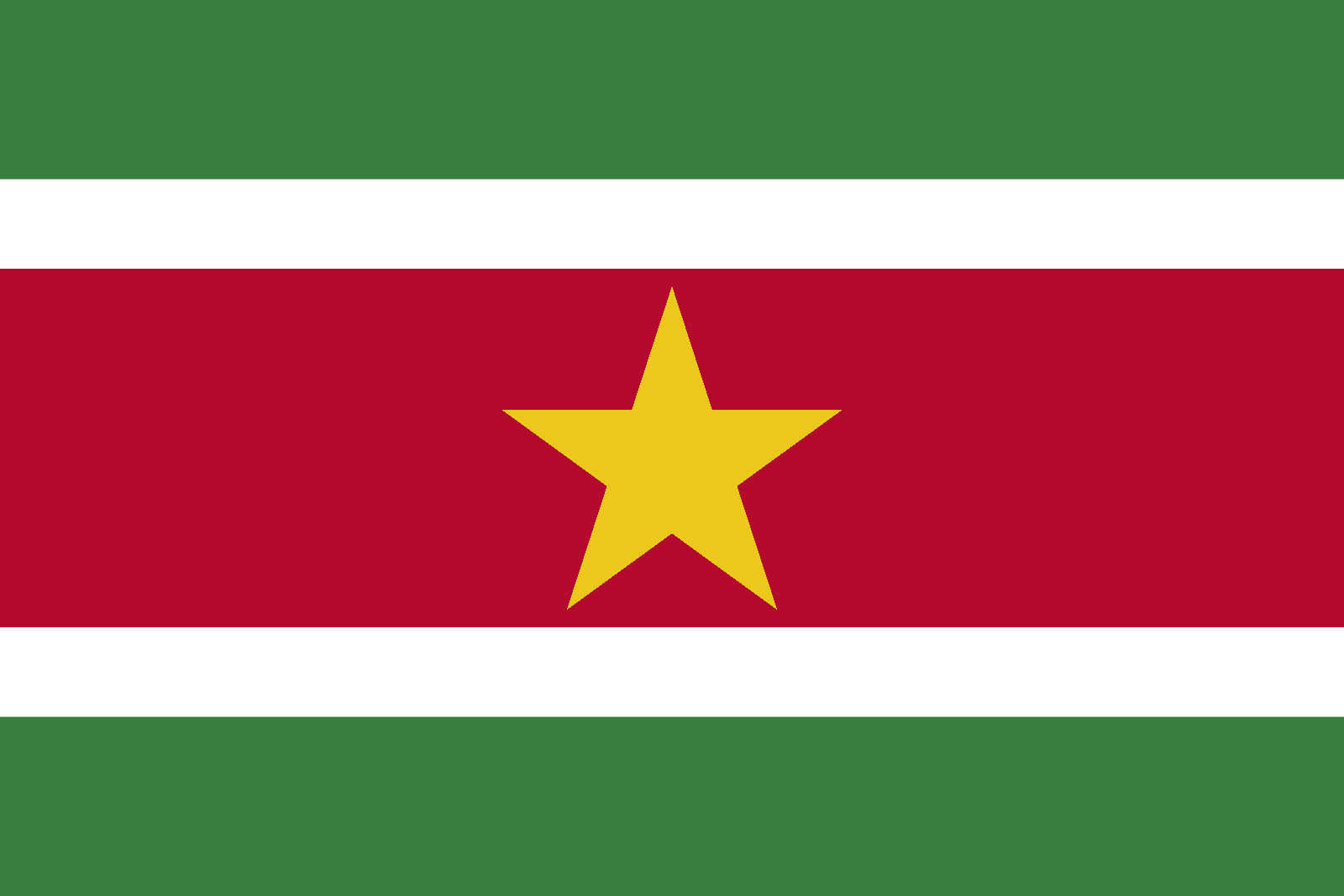
Introduction to Suriname
Suriname, located on the northeastern coast of South America, is often overshadowed by its larger neighbours, yet it boasts a rich cultural tapestry and unique biodiversity. With its capital, Paramaribo, being a UNESCO World Heritage site, the country offers visitors a blend of history, nature, and diverse ethnic influences. Understanding Suriname is increasingly relevant today as it navigates contemporary global challenges while preserving its ancient traditions.
Cultural Richness and Diversity
Suriname is recognized for its ethnic diversity, with Indigenous peoples, Afro-descendants, East Indians, Javanese, and Chinese communities coexisting. This multicultural environment is reflected in its vibrant festivals, culinary traditions, and languages—Dutch being the official language, supplemented by many local languages and dialects. Recent festivals celebrating the Hindu festival of Diwali and the Maroon festival of Keti Koti illustrate the nation’s commitment to cultural preservation.
Economic Landscape
The economy of Suriname has primarily been driven by its natural resources, particularly gold and bauxite mining, which are significant earners for the country. In recent years, there has been a focus on sustainable development and eco-tourism, promoting Suriname’s rich rainforest and unique wildlife. Despite challenges such as fluctuations in commodity prices and the impacts of climate change, the government aims to diversify the economy through investments in renewable energy and agriculture.
Recent Developments
In the wake of the global pandemic, Suriname has taken steps to rebuild its economy. The government has launched various initiatives such as the “Suriname Resilience Programme” focusing on health, infrastructure, and sustainable practices. Partnerships with international agencies for infrastructure development have also been established. Moreover, the tourism sector is expected to grow as travel restrictions ease, positioning Suriname as a new favourite for adventure seekers and eco-tourists.
Conclusion: The Future of Suriname
As Suriname embraces modernisation while holding onto its rich heritage, the path ahead looks promising. The balance between economic growth and cultural preservation will be instrumental in shaping the nation’s future. Understanding and supporting Suriname offers insights into the broader implications of sustainability and diversity in a rapidly changing world. For potential visitors and investors alike, Suriname promises not just beautiful landscapes but a chance to engage with a nation that thrives on its rich cultural legacy.
You may also like