Introduction
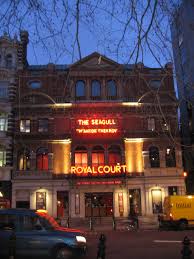
The Royal Court Theatre in London is a significant cornerstone of contemporary theatre, known for its commitment to new writing and bold productions. Since its inception, the venue has played a vital role in shaping modern British drama, highlighting the importance of artistic expression and cultural conversation. In recent years, the theatre has continued to engage and challenge audiences with innovative performances that reflect today’s societal issues, making it a landmark destination for theatre enthusiasts.
A Rich History
The Royal Court Theatre first opened its doors in 1956 and has since established itself as a leading platform for playwrights and performers. It has premiered works from renowned writers such as Samuel Beckett, Caryl Churchill, and Martin Crimp, fostering new talent and pushing the boundaries of theatrical storytelling. In this way, the theatre has created a legacy that is both rich in tradition and progressive in its approach.
Recent Productions
In the last year, the Royal Court Theatre has hosted an array of performances that tackle pressing societal themes, from climate change to identity politics. A notable production is the compelling drama “The End of History”, which delves into the complexities of political landscapes and personal relationships in the modern world. The theatre also adapted to the ongoing challenges posed by the COVID-19 pandemic, focusing on digital performances and engaging its audience virtually, ensuring that the power of theatre remained accessible to all.
Community Engagement and Initiatives
The theatre is equally committed to community engagement, facilitating workshops, readings, and outreach programs that invite diverse voices to participate in the arts. Its initiatives aim to inspire young playwrights and to ensure that the theatre remains a vibrant and inclusive space for all demographics, enriching the cultural fabric of the community.
Conclusion
The Royal Court Theatre continues to be a vital institution within the British theatre landscape. By prioritising new writing, championing diverse stories, and engaging with its community, it not only entertains but also provokes thought and discussion. Looking ahead, the theatre is poised to further its mission of innovation and inclusivity, potentially hosting more collaborative projects and international exchanges, cementing its status as a hub for transformative artistic expression.
You may also like