Introduction to All Souls Day
All Souls Day, observed on November 2nd each year, holds great importance in many cultures and religions around the globe. This day provides an opportunity for individuals to remember and honour lost loved ones, and it serves a poignant reminder of the transience of life. With its roots embedded in the Christian tradition, All Souls Day signifies the belief in the communion of saints and the importance of prayer for the deceased, reflecting both spiritual and emotional significance for many.
Historical Background
The origins of All Souls Day trace back to the early Christian church, with evidence of observances dating as early as the 11th century. Initially, it was a day set aside to pray for those who had died, particularly those who had not yet been purified of their sins. The date was established in the Western Church by St. Odilo of Cluny in 998, and since then, it has become a vital part of the liturgical calendar of many Christian denominations.
Global Observances and Traditions
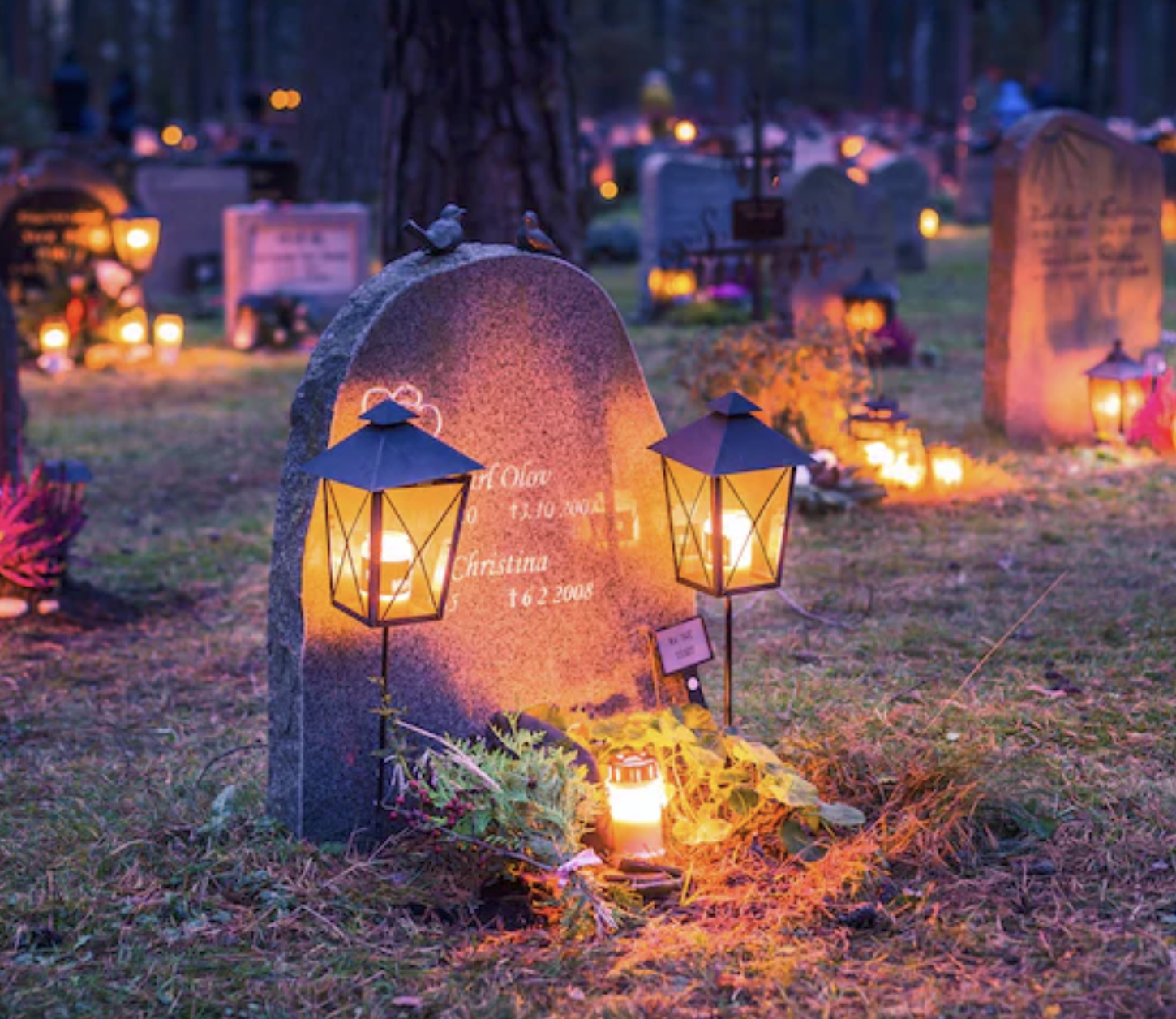
All Souls Day is celebrated in various ways across different cultures. In Mexico, it coincides with the Día de los Muertos (Day of the Dead), where families create altars adorned with photos and favourite foods of the deceased. In other countries, such as Portugal and Spain, people visit cemeteries to clean and decorate graves, light candles, and offer prayers. In the Catholic tradition, it is common to hold special masses in memory of the deceased, emphasising the continuous connection between the living and the dead.
Significance of Remembrance
The essence of All Souls Day lies in remembrance. It allows families and communities to unite in their grief and to revisit memories of those they have lost. Engaging in rituals such as lighting candles, laying flowers, and praying serves to foster healing and reflection. Moreover, it brings an opportunity to celebrate the lives of those who have passed, ensuring they are not forgotten but rather cherished within communal memory.
Conclusion and Future Outlook
As our world becomes increasingly interconnected, the observance of All Souls Day continues to adapt, merging traditional beliefs with contemporary practices. The day is not only a time for sorrow but also a celebration of life and love. Moving forward, the significance of this observance will likely evolve, incorporating new traditions while preserving its essential purpose of remembering the deceased. For individuals and families, All Souls Day remains a powerful moment of reflection, connection, and hope for eternal life.
You may also like