Introduction
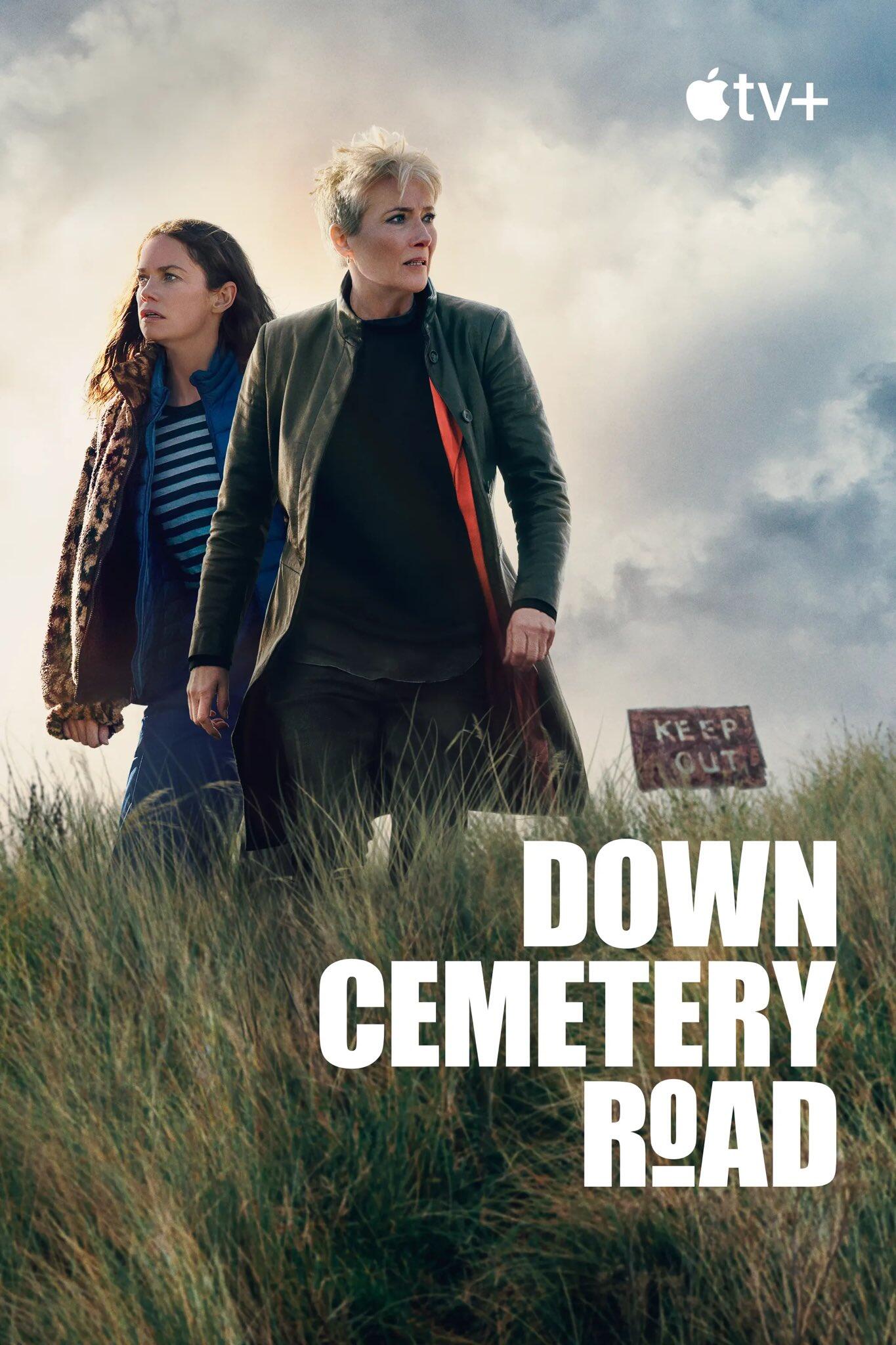
Down Cemetery Road is a poignant metaphor in today’s society, symbolising not only physical locations but also the emotional and historical connections surrounding death and remembrance. As we witness an increasing number of discussions on mental health and the need for reflection, understanding how places like Down Cemetery Road impact communities becomes essential. This article aims to delve into its significance and the role it plays in fostering a culture of remembrance and solace.
A Historical Overview
Down Cemetery Road may refer to an actual site, but it embodies universal themes relevant to us all. Often affiliated with local cemeteries, ‘Cemetery Roads’ serve as sacred passages where loved ones are remembered. In the UK, many cemeteries established in the 19th century, such as Highgate Cemetery in London, offer a profound insight into Victorian attitudes towards death and memorialisation.
Modern Reflections
Today, site-specific art installations, community events, and historical tours have emerged around these areas, blending heritage with modern reflections on loss. For example, the installation of memorial benches along prominent Cemetery Roads has become a means for communities to remember individuals while also providing a space for contemplation. These initiatives not only honour the dead but also elevate discussions about grief and coping mechanisms.
Cultural Significance
Different cultures have different traditions surrounding mourning and remembrance, influencing how streets like Down Cemetery Road are perceived. In Britain, Remembrance Sunday sees families visiting war memorials and cemeteries, reinforcing communal bonds. Furthermore, local councils have started to recognise the importance of preserving these areas, ensuring they remain accessible and maintained for generations to come.
Community Engagement
Engagement with the local community is crucial. Councils, historians, and family members often collaborate in projects to restore and document these important paths, linking historical narratives to current community values. Additionally, workshops focusing on heritage, storytelling, and art are increasingly held in such spaces, allowing participants to engage creatively with their history while paying respect to those who have passed.
Conclusion
In conclusion, Down Cemetery Road serves as more than a mere location; it represents a societal crossroads where grief, remembrance, and community intertwine. As we continue to navigate the challenges of modern life, the significance of such spaces becomes ever more apparent. They offer a sanctuary that invites reflection, encouraging conversations about loss while fostering a culture of remembrance that benefits society as a whole. It is vital for us to cherish these places, ensuring they remain preserved and celebrated for future generations.
You may also like