Introduction
Wuthering Heights, written by Emily Brontë and published in 1847, remains one of the most significant works in English literature. Its themes of passion, revenge, and the supernatural continue to resonate with readers and inspire adaptations and discussions. As society grapples with similar dynamics of love and pain, the relevance of this novel is undeniable, sparking interest anew in literary circles and among the general public.
The Story and Its Themes
Set on the Yorkshire moors, Wuthering Heights tells the tumultuous tale of Heathcliff, an orphan taken in by the Earnshaw family, and his obsessive love for Catherine Earnshaw. The narrative unfolds through multiple perspectives, primarily that of Mr. Lockwood and Nelly Dean, often creating a complex tapestry of emotions, motivations, and societal critiques.
The novel explores the destructive nature of love, where passion becomes entwined with revenge. Heathcliff’s pursuit of retribution against those who wronged him leads to toxic relationships, pushing the boundaries of morality and societal expectations. Additionally, themes of social class, isolation, and the impact of the natural environment contribute to the richness of Brontë’s narrative, making it a subject of continued analysis.
Current Relevance
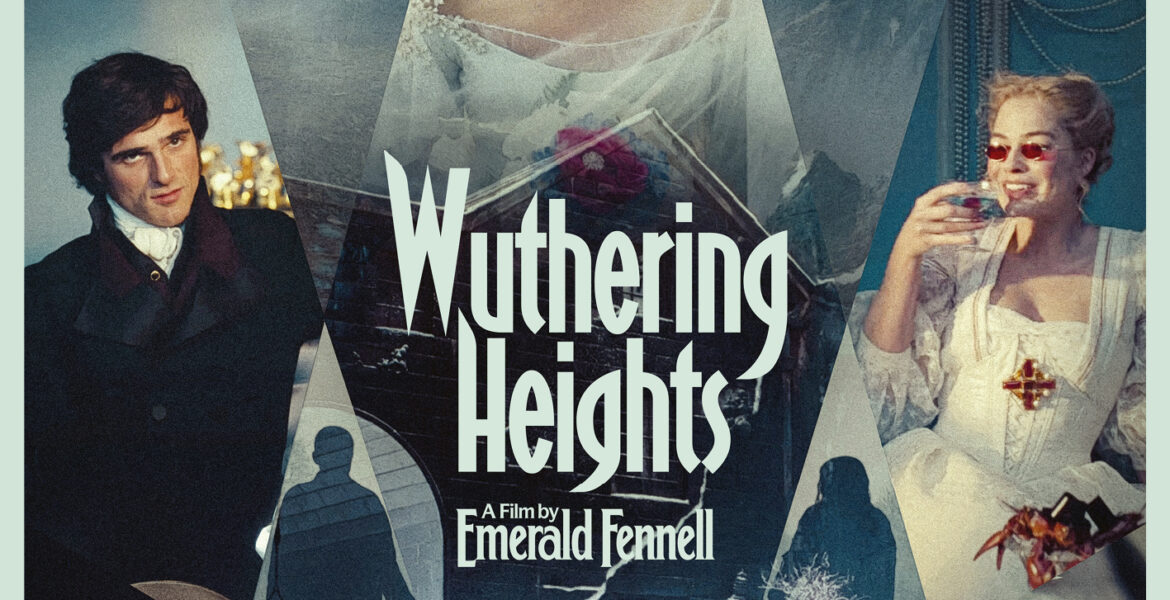
In recent years, Wuthering Heights has found renewed interest due to adaptations in film and television, bringing Brontë’s work to new audiences. The modern fascination with gothic literature and psychological thrillers has led to a deeper appreciation for the novel’s complex characterisation and emotional depth. Furthermore, scholars have begun to re-examine the text through various lenses, such as feminist and postcolonial critiques, revealing how the themes present in Brontë’s work are mirrored in modern societal issues.
Moreover, the novel’s exploration of mental health and the impact of childhood trauma resonates today, allowing readers to connect with Heathcliff and Catherine’s struggles on a personal level. These discussions highlight the importance of interpreting classics in contemporary contexts, allowing for a broader understanding of both the text and its implications.
Conclusion
As the world evolves, so too does the interpretation of literary works. Wuthering Heights remains relevant in modern discourse, illustrating the timeless nature of Brontë’s insights into human emotions and relationships. Readers and scholars alike continue to find value in its haunting narrative, making it a perennial subject of study and adaptation. As we look forward, one can only anticipate how this classic will continue to influence and inspire future generations.
You may also like