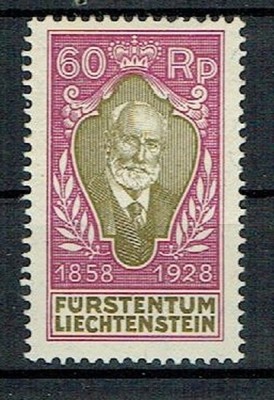
Introduction to Liechtenstein
Liechtenstein, a landlocked principality nestled between Switzerland and Austria, stands out as a captivating destination despite its small size of just 160 square kilometres. Known for its stunning Alpine landscapes, rich history, and prosperous economy, Liechtenstein is a noteworthy European nation that offers a unique cultural blend of both German and Swiss influences. Its significance as a financial hub and a place of environmental beauty makes it a topic of increasing interest for travellers and scholars alike.
The Political Landscape
Liechtenstein is a constitutional monarchy, with a strong historical background influencing its governance structure. The Prince of Liechtenstein retains considerable political power, including the authority to veto legislation. This distinctive political status has allowed the country to maintain a stable economy and a high standard of living—key elements that attract many expatriates and foreign investments. In recent years, Liechtenstein has engaged in discussions about broadening its international relations, marking its presence as a curious blend of tradition and modernity.
Tourism and Culture
Tourism plays a vital role in Liechtenstein’s economy, with its quaint cities, such as Vaduz (the capital) and Schaan, serving as prominent attractions. Visitors are drawn to historical landmarks like the Vaduz Castle and the National Museum of Liechtenstein, which offers insights into the nation’s heritage and progression. The idyllic scenery surrounding the country is perfect for hiking, skiing, and other outdoor activities, making it a year-round destination for adventure enthusiasts.
Economic Insights
The economy of Liechtenstein is characterised by a robust financial sector, renowned for its banking and investment services. The country has recently made headlines for its efforts to uphold high standards of economic integrity and compliance with international regulations, ensuring its reputation as a reputable financial centre. In addition to finance, manufacturing and technology also contribute significantly to the economy, showcasing a diversified growth strategy that positions Liechtenstein favourably on the global stage.
Conclusion: The Future of Liechtenstein
As Liechtenstein continues to navigate the complexities of modern geopolitics and economics, its attributes—ranging from a stable government to a rich cultural tapestry—remain significant for both residents and international observers. The principality’s unique charm, combined with an unwavering commitment to maintaining both its historical roots and embracing modernity, suggests a bright future ahead. For those seeking a lesser-known destination with a wealth of experiences to offer, Liechtenstein emerges as an intriguing option that warrants further exploration.
You may also like