Introduction
Eswatini, formerly known as Swaziland, is a landlocked kingdom in Southern Africa that has garnered international attention for its rich cultural heritage and ongoing socio-political developments. As one of the last absolute monarchies in the world, Eswatini’s unique governance and vibrant traditions make it not only a fascinating destination for tourists but also a subject of considerable analysis for those studying governance and culture in contemporary Africa.
Current Events in Eswatini
Recently, Eswatini has made headlines due to its political situation, marked by increasing unrest and calls for democratic reforms. Protests erupted in 2021, driven by frustrations over the lack of political freedom and economic difficulties exacerbated by the COVID-19 pandemic. Activists are pushing for a multi-party democracy, and their movement has gained traction both domestically and internationally.
The government, led by King Mswati III, has taken a firm stance against demonstrations, leading to clashes between protesters and security forces. Reports suggest that human rights organizations have raised concerns regarding the treatment of dissenters, with documented instances of violence against civilians amidst the ongoing strife. These developments have drawn international scrutiny, with calls for dialogue and reform gaining momentum on various platforms.
Culture and Heritage
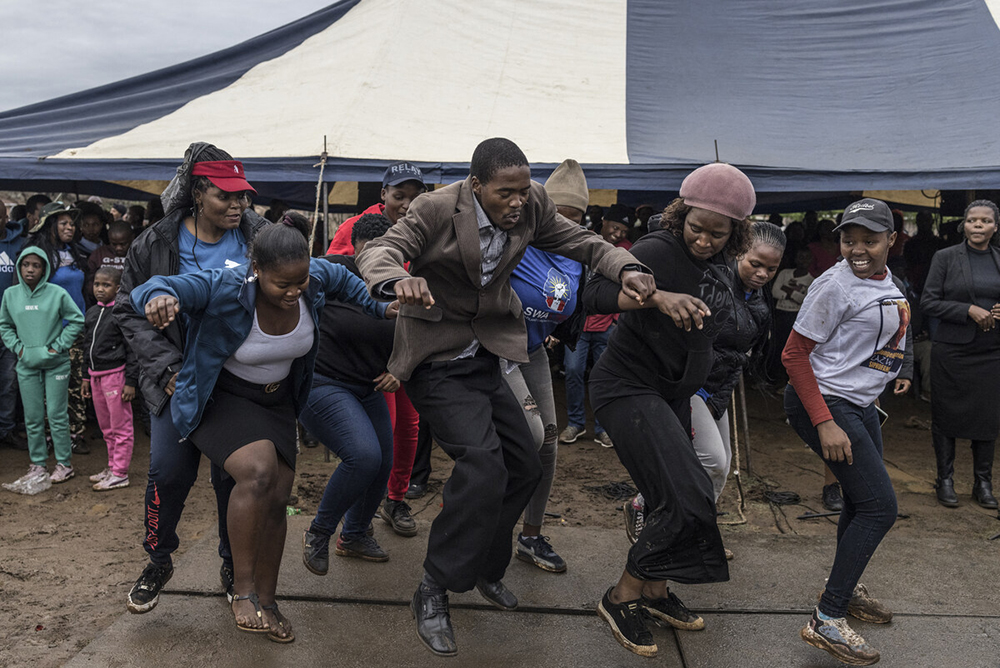
Despite its challenges, Eswatini remains a country of immense cultural significance. The kingdom is known for its vibrant traditions, including the Umhlanga or Reed Dance, an annual event celebrating girlhood and womanhood, which attracts thousands of visitors each year. Similarly, the Incwala ceremony, a significant cultural event, marks the renewal of the King’s divine authority and emphasizes the importance of community cohesion.
Tourism continues to play a critical role in Eswatini’s economy, with visitors drawn to its national parks, wildlife reserves, and cultural villages. Notably, Hlane Royal National Park and Mlilwane Wildlife Sanctuary are major attractions, showcasing the country’s biodiversity and unique landscapes.
Conclusion
As Eswatini navigates through its socio-political challenges, the resilience of its people and their rich cultural practices remain central to its identity. The ongoing push for democratic governance could lead to significant changes in how the nation is perceived globally. For those interested in cultural studies, politics, or African history, Eswatini represents a profound case study of tradition and modernity coexisting in a rapidly transforming world. The global community watches closely, anticipating how this small kingdom will evolve in the face of both challenges and opportunities.
You may also like