Introduction
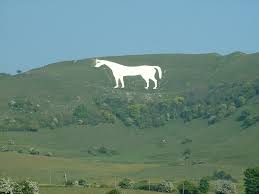
The Westbury White Horse, carved into the chalk hillside of Wiltshire, is one of the most iconic landmarks in England. This enormous hill figure has stood for centuries, representing both historical and cultural significance for locals and visitors alike. As a prominent attraction, it not only draws in tourists but also serves as a representation of the area’s rich heritage and the connection to the historical development of hill figures throughout the UK.
Historical Background
The Westbury White Horse is believed to date back to the late 18th century, specifically around the year 1778, when it was carved by local landowners. This 180-foot long figure symbolizes a white horse, a design that is thought to have been inspired by ancient equestrian traditions. However, the exact origins remain largely speculative, with various theories surrounding its creation. Over the years, the figure has undergone renovations, with a significant restoration completed in 1999 that involved re-chalking the horse to maintain its visibility.
Modern-Day Significance
Today, the Westbury White Horse is protected as a Scheduled Ancient Monument and is part of a larger area of natural beauty known as the Westbury Hill. The horse is visible from miles around, attracting hikers, history buffs, and families. In recent years, the landmark has gained attention for its role in promoting local tourism and highlights the importance of preserving such figures amid modern development pressures.
Additionally, the Westbury White Horse serves as the backdrop for various community events, including outdoor festivals and historical reenactments, fostering a sense of community spirit and pride. Its appearance in social media as a picturesque spot also increases awareness of the region’s and the site’s historical value.
Conclusion
In conclusion, the Westbury White Horse stands as a symbol of Wiltshire’s historical legacy and cultural identity. As the community continues to celebrate and maintain this landmark, it remains not only a vital tourist attraction but also a testament to the enduring nature of historical art engraved within the landscape. With increasing interest from visitors and educational initiatives to promote the site’s history, the Westbury White Horse is likely to remain a significant point of interest for years to come, ensuring that its legacy as an important cultural monument is preserved for future generations.
You may also like