Introduction to Lizard Island
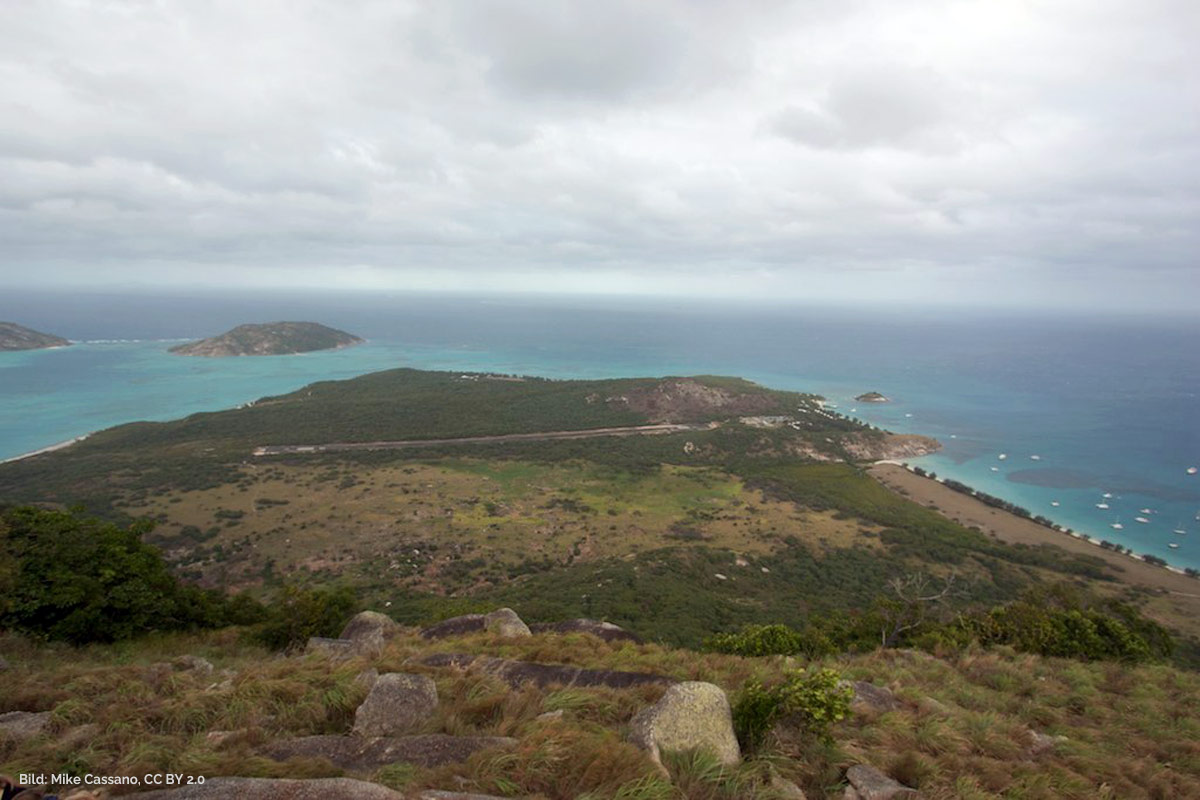
Lizard Island is a stunning tropical paradise, situated in the northern part of the Great Barrier Reef in Australia. Known for its breathtaking scenery and vibrant marine life, it has become a highly coveted destination for eco-tourists and adventure seekers alike. Its pristine beaches and rich biodiversity make it a significant location not only for tourism but also for marine research and conservation efforts.
Geography and Climate
Measuring approximately 10 square kilometres, Lizard Island is one of the many stunning islands dotting the unique landscape of the Great Barrier Reef. The island is largely covered in national park, housing diverse ecosystems, including beautiful coral reefs, lush vegetation, and unique wildlife. The climate is tropical, providing warm temperatures year-round, which contributes to the island’s allure for visitors wishing to escape colder climates.
Tourism and Activities
Lizard Island is renowned for its diving and snorkelling opportunities. The waters surrounding the island are home to an array of vibrant coral species and marine life, making it a diver’s paradise. Popular activities include guided underwater tours, glass-bottom boat rides, and fishing excursions. Additionally, the island offers hiking trails leading to panoramic views from the summit of Cook’s Look, a popular vantage point named after Captain James Cook, who visited the island in the 1770s.
Conservation Efforts
In recent years, Lizard Island has also gained attention for its conservation initiatives. Efforts are being made to protect and preserve the fragile ecosystems endemic to the region, focusing on coral restoration and wildlife protection programs. The Lizard Island Research Station plays a pivotal role in these initiatives, hosting scientists from around the world who aim to study the effects of climate change on marine ecosystems and biodiversity.
Conclusion: The Significance of Lizard Island
As a paradise that encapsulates natural beauty, adventure, and conservation, Lizard Island holds a unique position in Australia’s tourism landscape. Its ecosystems are not only vital for tourism but also for scientific research and understanding of marine environments. As awareness around climate change continues to grow, Lizard Island’s role as a site for preservation and education becomes increasingly significant. For readers planning their next adventure or looking to understand more about marine conservation, Lizard Island serves as a prime example of nature’s breathtaking beauty and the importance of protecting it for future generations.
You may also like