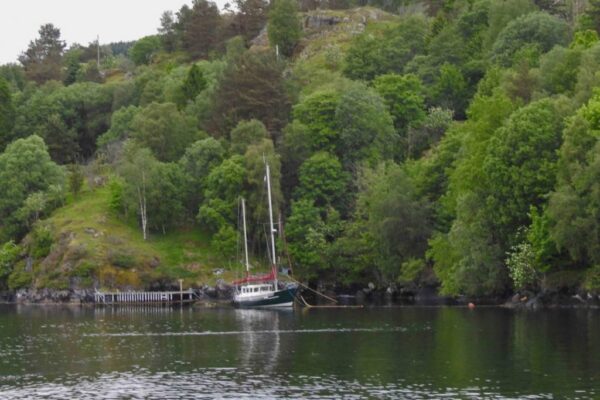
Introduction to Lizard Island
Lizard Island, situated in the heart of the Great Barrier Reef, is an awe-inspiring tropical paradise that attracts visitors from around the world. Its pristine beaches, abundant marine life, and spectacular coral reefs make it one of Australia’s most treasured natural environments. As climate change and human activity continue to pose threats to such ecosystems, understanding and preserving Lizard Island has never been more crucial.
Geographical Significance
Lizard Island is part of the Queensland state, approximately 240 kilometres north of Cairns. Spanning just over 1,000 hectares, the island features stunning landscapes comprising rugged hills, lush forests, and over 24 white sandy beaches. The surrounding waters are teeming with biodiversity, including various species of fish, turtles, and corals. This unique ecosystem serves as a critical research site for scientists studying the effects of climate change on marine life.
Tourism and Activities
Tourism plays a vital role in Lizard Island’s economy, attracting snorkelers, divers, and nature enthusiasts. Visitors can experience the wonders of the reef through guided snorkelling and scuba diving tours, offering glimpses of vibrant coral gardens and diverse fish populations. The island is also home to several walking trails, allowing hikers to explore its natural beauty up close, including the summit of Cook’s Look, which provides panoramic views of the surrounding area.
Conservation Efforts
Due to its ecological significance, Lizard Island has become a focus for various conservation initiatives aimed at protecting its unique biodiversity. The Lizard Island Research Station, established by the Australian Museum, is instrumental in conducting scientific research that informs conservation policies and fosters awareness about the challenges facing coral reefs. In light of recent coral bleaching events linked to climate change, these efforts are critical for the long-term preservation of this delicate ecosystem.
Conclusion
Lizard Island represents more than just a scenic destination; it is a vital ecological hub that underscores the importance of conservation in the face of environmental challenges. As visitors enjoy the beauty of this tropical gem, it is essential to recognise the role each individual can play in protecting such natural landscapes. With ongoing research and sustainable tourism practices, there is hope that Lizard Island will continue to thrive, showcasing the wonder of the Great Barrier Reef for generations to come.
You may also like