Introduction to Richmond Park
Richmond Park, located in South West London, is one of the largest royal parks in the city, spanning over 2,500 acres. Renowned for its stunning natural scenery, diverse wildlife, and historical significance, it attracts millions of visitors each year. The park is particularly important as it serves as a vital green space, offering a serene escape from the hustle and bustle of city life, and it plays a crucial role in promoting biodiversity within an urban environment.
A Brief History
Originally established as a deer park in the 17th century by Charles I, Richmond Park has transformed over the centuries. It was designed to serve as a hunting ground, and today it still houses around 600 wild deer, a testament to its heritage. The park was opened to the public in the 18th century and has been a cherished spot for both Londoners and tourists ever since. Architecturally significant buildings, such as the Royal Ballet School and the historic King Henry’s Mound, further enhance its cultural importance.
Key Attractions
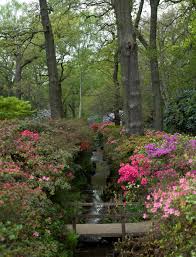
Aside from the iconic deer, Richmond Park boasts various attractions including scenic walking and cycling trails, sprawling grasslands, and picturesque woodlands. The Isabella Plantation, a beautiful woodland garden, is especially famous for its azaleas and rhododendrons, drawing thousands of visitors during the blooming season. In addition, the park’s numerous ponds and formal gardens provide tranquil spots for picnics and relaxation.
Current Events and Activities
This autumn, Richmond Park has been a hub for outdoor enthusiasts as the cooler temperatures offer the perfect backdrop for enjoying nature. Recent events have included guided wildlife walks and photography workshops aimed at capturing the park’s stunning landscapes and rich biodiversity. The park’s management also promotes initiatives aimed at conservation and maintaining the natural habitat for flora and fauna, ensuring that future generations can enjoy its beauty.
Conclusion
Richmond Park stands as a vital green space, rich in history and natural beauty that remains an integral part of London’s appeal. As urban areas continue to grow, parks like Richmond are crucial for ecological balance and provide habitats for diverse wildlife. Visitors are encouraged to explore its vast landscapes, partake in events, and support conservation efforts. With ongoing wildlife conservation efforts and community activities, Richmond Park is not only a historical landmark but also a beacon of environmental awareness and sustainable enjoyment.
You may also like