Introduction
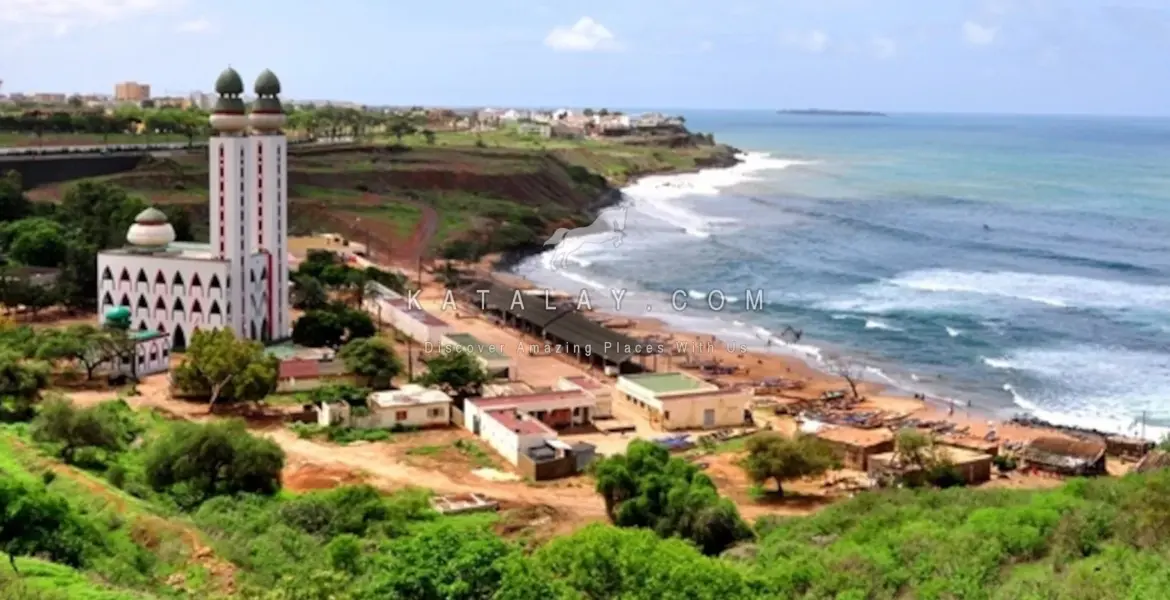
Located on the westernmost tip of the African continent, Senegal is a nation known for its rich culture, diverse landscapes, and significant historical importance. With a population of over 16 million, it stands out not just for its vibrant cities like Dakar but also for its natural wonders and commitment to democratic values. Understanding Senegal is crucial, as it serves as a cultural and economic hub in West Africa, influencing regional dynamics and global relations.
Cultural Diversity and Historical Significance
Senegal’s unique blend of African and Islamic traditions shapes its cultural identity. The country is recognised for its music, particularly the popular genre, Mbalax, which incorporates traditional African rhythms with modern sounds. The annual Dakar Music Festival attracts music lovers worldwide, showcasing the talents of local and international artists.
Historically, Senegal played a pivotal role in the transatlantic slave trade, with the infamous Gorée Island serving as a reminder of this tragic past. Today, it is a UNESCO World Heritage site and a place of reflection for those who visit. The country has also been a bedrock of political stability in a region marked by turbulence, making it an essential ally for foreign nations.
Economic Growth and Development
In recent years, Senegal has shown remarkable economic growth, with a GDP growth rate of approximately 6.1% in 2022, driven by sectors such as agriculture, mining, and tourism. The government has invested heavily in infrastructure projects, notably the Dakar-Diamniadio Toll Highway and the development of the Blaise Diagne International Airport, aimed at boosting tourism and connectivity.
Furthermore, Senegal is focusing on renewable energy sources, with the goal of producing 30% of its electricity from renewable sources by 2025. This commitment highlights the nation’s proactive approach to sustainability, a key factor for attracting foreign investments.
Tourism and Natural Beauty
Tourism in Senegal flourishes with diverse attractions ranging from the stunning beaches of the Petite Côte to the unique ecosystems of the Niokolo-Koba National Park, home to endangered species. The pink waters of Lake Retba, also known as Lac Rose, draw tourists for their alluring natural beauty and striking hues. Tourists are encouraged to experience the local cultures through traditional dance, food, and festivals, fostering a greater appreciation of Senegalese heritage.
Conclusion
In conclusion, Senegal stands as a beacon of cultural richness and political stability in West Africa. Its profound history, combined with ongoing economic development and commitment to sustainability, makes it a crucial player on both regional and global stages. As the country moves forward, it is expected that Senegal will continue to enhance its role as a leader in the region, offering a myriad of opportunities for tourists and investors alike. Those looking to explore a destination steeped in tradition and modernity should consider Senegal, where the past meets a promising future.
You may also like