Introduction
Yellowstone National Park, established in 1872, is renowned for its stunning landscapes, rich biodiversity, and geothermal features. It is the first national park in the United States and is often considered the first in the world. With over 4 million visitors annually, its importance extends beyond tourism; it plays a crucial role in environmental conservation and provides insights into geological processes.
Geothermal Features
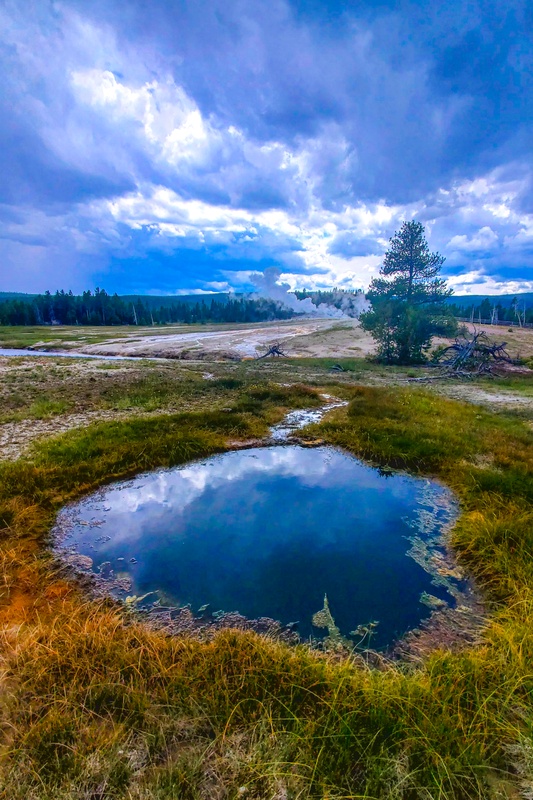
Yellowstone is home to more than half of the world’s active geysers and hot springs. The most famous, Old Faithful, erupts approximately every 90 minutes, captivating visitors with its reliability. Other notable geothermal features include the Grand Prismatic Spring, known for its vibrant colours, and the Fountain Paint Pot, which showcases mud pots and boiling springs. Recent studies indicate that these geothermal systems may be more active than previously understood, suggesting an ongoing evolution of the park’s landscape.
Biodiversity and Wildlife
The park spans over 3,400 square miles, covering a variety of ecosystems that support diverse wildlife. Species such as bison, elk, gray wolves, and grizzly bears roam freely, making it a premier destination for wildlife enthusiasts. Conservation efforts have seen the successful reintroduction of wolves, which has significantly impacted the park’s ecosystem dynamics. Recent findings highlight the importance of these predator-prey relationships and their role in maintaining ecological balance.
Visitor Trends and Conservation Efforts
As the popularity of Yellowstone continues to grow, park management faces the challenges of balancing tourism with conservation. In 2022, visitation numbers reached record highs, prompting officials to enhance infrastructure and implement educational programs aimed at minimizing human impact. Initiatives such as the ‘Leave No Trace’ principles educate visitors on how to enjoy nature responsibly while protecting the park’s fragile ecosystems.
Conclusion
Yellowstone National Park remains a testament to the beauty and complexity of nature. As climate change poses new challenges, the park’s diverse ecosystems are under increasing pressure. Continued efforts in conservation, research, and responsible tourism are vital for preserving this iconic destination for future generations. With its breathtaking sights and rich ecological significance, Yellowstone is not only a national treasure but also a symbol of our responsibility to safeguard the environment.
You may also like