Introduction to Tteokbokki
Tteokbokki, a popular Korean dish made from chewy rice cakes, has garnered immense attention both in South Korea and around the globe. It is known for its spicy and slightly sweet taste, often enjoyed as a quick snack or as part of a larger meal. The dish holds cultural significance in Korea, reflecting the country’s rich culinary traditions and contemporary food culture.
The Evolution of Tteokbokki
Originally, tteokbokki was a royal court dish dating back to the Joseon Dynasty (1392–1910). However, the modern version, known as “eomuk tteokbokki,” became prevalent in the late 1950s, following the Korean War. It was at this time that street vendors began selling the dish, and it quickly became a staple for busy city dwellers. Today’s tteokbokki combines the traditional rice cakes with a spicy red chilli sauce made from gochujang (fermented red pepper paste), fish cakes, and often vegetables like scallions or cabbage.
Current Popularity and Variations
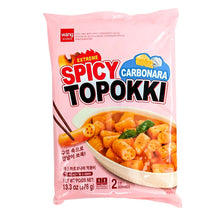
Thanks to globalization and the rise of Korean pop culture, particularly through K-dramas and K-pop, tteokbokki has become a trendy dish worldwide. Food enthusiasts share their tteokbokki experiences on social media platforms, showcasing various creative and unique recipes. Variants now exist, including cheese tteokbokki, which tops the dish with melted cheese, and ddeokbokki with creamy sauces for a fusion twist. Many restaurants, both in Korea and internationally, offer different takes on this beloved dish, appealing to a diverse range of palates.
Conclusion
Tteokbokki remains a significant element of Korean gastronomy, embodying both tradition and modern innovation. As the dish continues to gain popularity outside of Korea, it serves as a delicious ambassador of Korean culture. Its unique blend of textures and flavors makes it an appealing choice for food lovers, promising to keep tteokbokki at the forefront of street food in many countries. Looking ahead, we can expect to see even more variations and fusion styles that celebrate this iconic Korean dish.
You may also like