Introduction
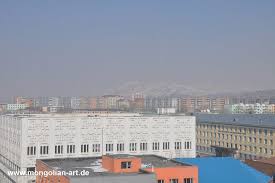
Ulaanbaatar, the capital city of Mongolia, plays a crucial role in the country’s culture, economy, and politics. As the largest city in Mongolia, Ulaanbaatar is home to approximately 1.5 million residents, which is roughly half of the national population. The city is centrally located, making it an essential hub for trade and commerce. Its unique blend of traditional and modern influences makes Ulaanbaatar a fascinating subject of study and an important focal point for both local and international interests.
Recent Developments in Ulaanbaatar
Currently, Ulaanbaatar is undergoing significant transformation, aided by various urban development projects aimed at improving infrastructure and quality of life for its citizens. One noteworthy initiative is the SMART Ulaanbaatar project, introduced in 2022, which promises to upgrade utilities, enhance transportation systems, and promote sustainable urban living. This project reflects the city’s ambition to modernise while maintaining its rich cultural heritage.
Furthermore, Ulaanbaatar has been focusing on addressing the pressing issue of air pollution, which peaks during the winter months due to coal burning for heating. As part of a long-term strategy, the city has started to implement cleaner energy sources and invested in public transport improvements. Current reports indicate that initiatives are underway to reduce air pollutants by nearly 20% over the next three years.
Cultural Significance
Ulaanbaatar is not only a political centre; it is also a cultural beacon for Mongolia. The city boasts numerous museums, including the National Museum of Mongolia and the Zanabazar Museum of Fine Arts, which showcase Mongolia’s history and artistic achievements. The vibrant Naadam festival, celebrating traditional sports, is held annually in Ulaanbaatar, attracting both local and international visitors who seek to experience Mongolian culture firsthand.
Conclusion
Ulaanbaatar’s rapid growth and urban development reflect both the challenges and opportunities faced by a city in transition. As a focal point for economic activity and cultural interchange, the future of Ulaanbaatar is poised for significant changes. With ongoing efforts to tackle environmental issues and enhance urban living, Ulaanbaatar is not just evolving into a modern metropolis but is also working to preserve its unique cultural identity. For readers, understanding the dynamics of Ulaanbaatar not only offers insight into Mongolia’s progress but also highlights the complexities of urbanisation in rapidly developing cities.
You may also like