Introduction
Westminster Bridge is an iconic landmark in London, situated over the River Thames, connecting Westminster and Lambeth. Built initially in the 18th century, it serves not just as a vital transport link but also as a symbol of the city’s rich history and architectural beauty. Its relevance has only increased over the years, drawing millions of visitors and becoming a focal point for both residents and tourists.
History of Westminster Bridge
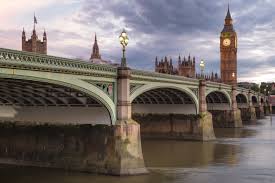
The original bridge opened in 1750, but it was deemed insufficient for the growing needs of London. In response to this, a new bridge was commissioned in the 19th century and completed in 1862. The current bridge was designed by the renowned engineer Sir Marc Isambard Brunel and showcases a striking Victorian Gothic style. This design includes elements such as decorative arches and striking green and white colours that complement the nearby Palace of Westminster.
Recent Events and Renovations
Throughout its history, Westminster Bridge has undergone various renovations to maintain its structural integrity and aesthetics. Most recently, significant repairs were carried out in 2018 to replace its decking and improve pedestrian access. These upgrades aim to ensure that the bridge remains safe and navigable for both vehicles and pedestrians, aligning with London’s ongoing efforts to promote sustainable transportation.
Significance for London
Westminster Bridge not only serves a practical purpose as a transit route but also plays an important role in London’s cultural landscape. The bridge offers stunning views of the iconic London Eye, the Houses of Parliament, and Big Ben, making it a popular spot for photography and sightseeing. Furthermore, it has witnessed countless historical moments, including state parades and public celebrations, adding to its stature as a cherished local landmark.
Conclusion
Westminster Bridge stands as a testament to London’s architectural heritage and its ongoing significance in everyday life. As efforts continue to maintain and enhance this historic structure, its relevance as a hub of activity and a symbol of pride for Londoners remains unwavering. For residents and visitors alike, Westminster Bridge offers not only a means of passage but also a connection to the city’s vibrant past and its future.
You may also like