Introduction
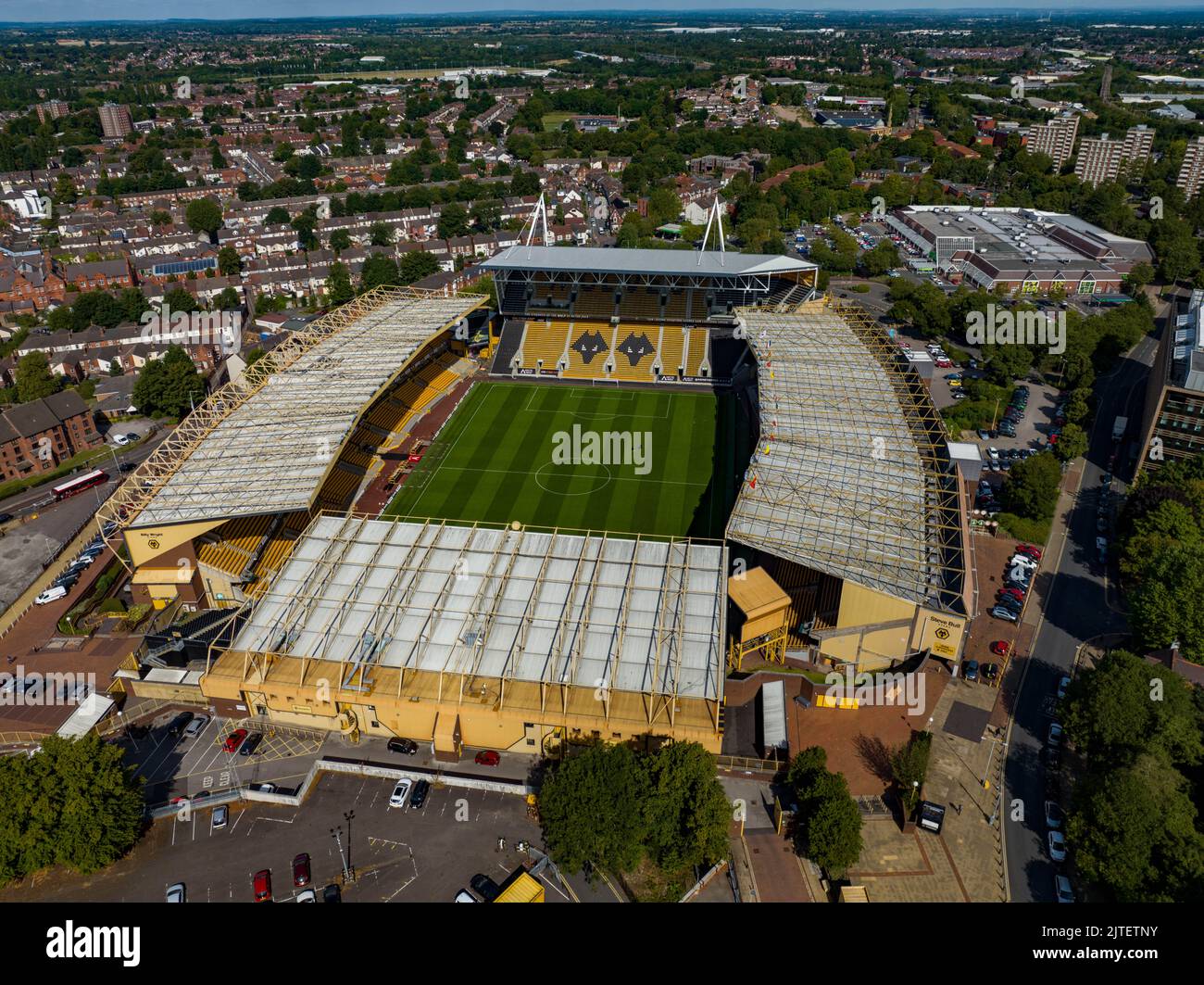
Wolverhampton, a city located in the West Midlands, holds significant importance due to its rich industrial heritage and vibrant multicultural community. With a population of over 250,000, the city has evolved from its roots in the 18th century as a centre for coal mining and craft industries to a modern city noted for its contributions to art, education, and business. As urbanisation continues, understanding Wolverhampton’s transformation gives insight into broader regional developments in the UK.
Historical Context
Founded as a small settlement in the 10th century, Wolverhampton grew rapidly during the Industrial Revolution, driven by its coal, iron, and steel industries. The city became synonymous with manufacturing and rail transport, paving the way for economic prosperity. Today, remnants of this industrial past can be found in the form of preserved buildings and museums that highlight the city’s evolution.
Current Events and Developments
Recently, Wolverhampton has been the focus of substantial regeneration projects aiming to rejuvenate its city centre. The Wolverhampton Interchange project, set to be completed in early 2024, promises to improve connectivity between rail and bus services, enhancing the overall transport network for residents and visitors. Additionally, the city is embracing sustainability, launching initiatives to create green spaces and promote environmental responsibility.
Culturally, Wolverhampton is home to a diverse range of events and attractions. The Grand Theatre, with its rich programme of performances, and the Wolverhampton Art Gallery, known for its extensive collection of British art, are key highlights. The city also celebrates its diversity with annual festivals, including the Wolverhampton Literature Festival and various multicultural events.
Conclusion
The significance of Wolverhampton lies not only in its rich history and industrial achievements but also in its current dynamic transformation and commitment to a sustainable future. As the city continues to grow and adapt, its residents benefit from improved infrastructure and cultural experiences that enhance their quality of life. For those interested in exploring an evolving urban landscape, Wolverhampton presents a unique blend of history, culture, and modernity, making it a noteworthy destination in the West Midlands.
You may also like