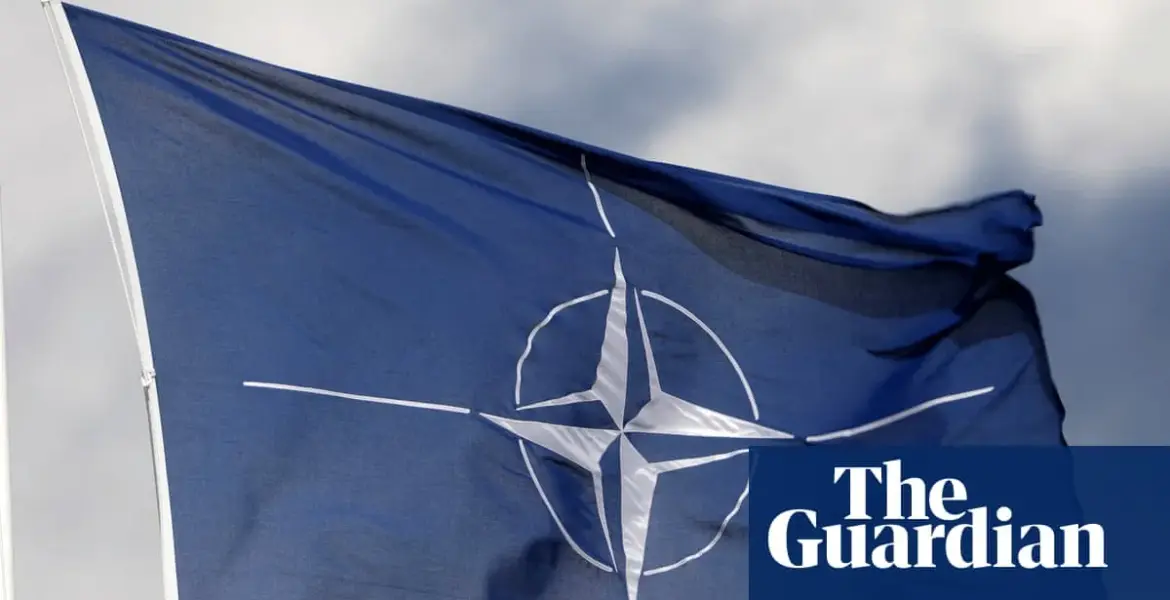
Nato’s recent engagement with the film industry has sparked controversy, raising questions about the role of art in propaganda. As closed-door meetings unfold in London, many are asking: is Nato using creativity to bolster support for defence spending?
Critics argue that these gatherings—three of which have already taken place across Europe and the US—are a thinly veiled attempt to manipulate public perception. Alan O’Gorman, a member of the Writers’ Guild of Great Britain, called the planned meeting in London “outrageous and clearly propaganda.” He expressed concern that many writers have personal ties to countries affected by conflicts involving Nato.
Supporters of Nato contend that fostering relations with artists is essential for building public support, especially as defence spending in Ireland reaches record levels following the Russian invasion of Ukraine. An Ipsos poll revealed that 49% of voters in the Republic of Ireland oppose joining Nato, while only 19% are in favor. This divide underscores the challenge faced by Nato as it seeks to bridge gaps between its mission and public sentiment.
In 2024, eight screenwriters were invited to Nato’s headquarters to learn about security policy—a move seen by some as an effort to engage creatively with complex issues. A spokesperson for the Writers’ Guild noted that the invitation was framed as an opportunity for a two-way conversation, yet many remain skeptical about its true intentions.
The backdrop to this unfolding story is a landscape where art intersects significantly with politics. The film industry has long been a powerful medium for shaping narratives, but when those narratives are influenced by military alliances, ethical lines blur. As O’Gorman pointed out: “A lot of people, myself included, have friends and family or themselves come from countries that are not in Nato, that have suffered under wars that Nato has joined and propagated.” His words reflect a growing unease within creative circles.
As these discussions continue, uncertainties linger regarding how this partnership will evolve. Will filmmakers embrace these dialogues as opportunities for storytelling? Or will they resist what they perceive as coercive influences? While discussions unfold behind closed doors, public opinion remains divided and complex.
Nato’s efforts to engage with artists may be just one chapter in a larger narrative about how art can both inspire and manipulate public thought. The next planned meeting in London is expected to focus on evolving security issues—an indication that this dialogue is far from over.
You may also like