Introduction
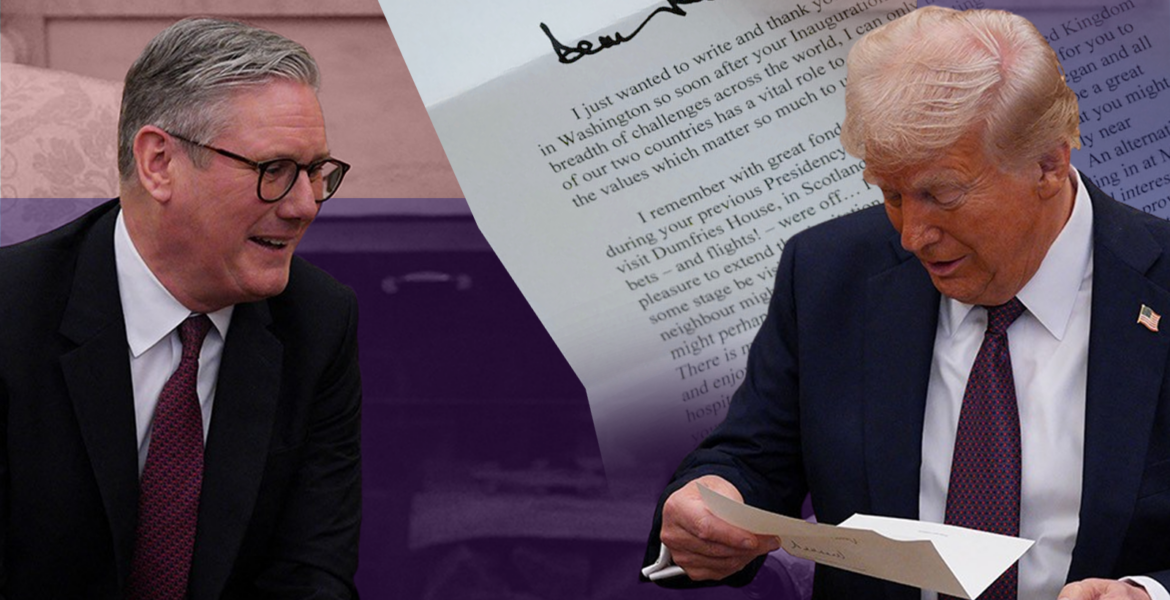
In recent news, former President Donald Trump sent an unprecedented letter to officials in Norway, sparking discussions regarding US-Norway relations. This letter is significant as it showcases Trump’s continued influence in politics and the enduring importance of diplomatic communication even after his presidency. As geopolitical dynamics evolve, understanding such interactions can provide insight into international relations.
The Content of the Letter
Reportedly, the letter addressed key areas of mutual interest, including trade, security cooperation, and environmental concerns. Trump expressed his admiration for Norway’s handling of its oil resources and its commitment to sustainability, suggesting potential collaborations in energy sectors. Sources indicate that the letter was characterized by Trump’s straightforward style, making a number of provocative statements about trade practices and defence collaboration.
Responses from Norway
The response from Norwegian officials has been measured but positive, acknowledging the value of maintaining open lines of communication with the United States. Norway’s Foreign Minister stated, “We appreciate the dialogue, and it reflects the strong ties between our nations despite different administrations.” The letter has also sparked discussions within Norway’s political circles, indicating a broad interest in future relations with the US.
Implications for US-Norway Relations
This letter comes at a critical time as global challenges such as climate change and security threats from other regions require cooperative solutions. Many analysts suggest that continued engagement from figures like Trump could assist in fostering closer ties, especially in light of Trump’s previous administration advocating for strong partnerships with allies. Observers believe the letter will pave the way for future discussions that could involve high-level visits or joint initiatives.
Conclusion
The recent correspondence from Donald Trump to Norway highlights the ongoing importance of diplomatic relationships and individual political influence. As global relationships continue to shift, such engagements may not only define past administrations but also shape future collaborations and alignments. For readers, staying informed about these communications can offer insights into how international affairs may evolve in the coming years, especially with influential figures continuing to advocate for policies beyond their immediate tenure.
You may also like