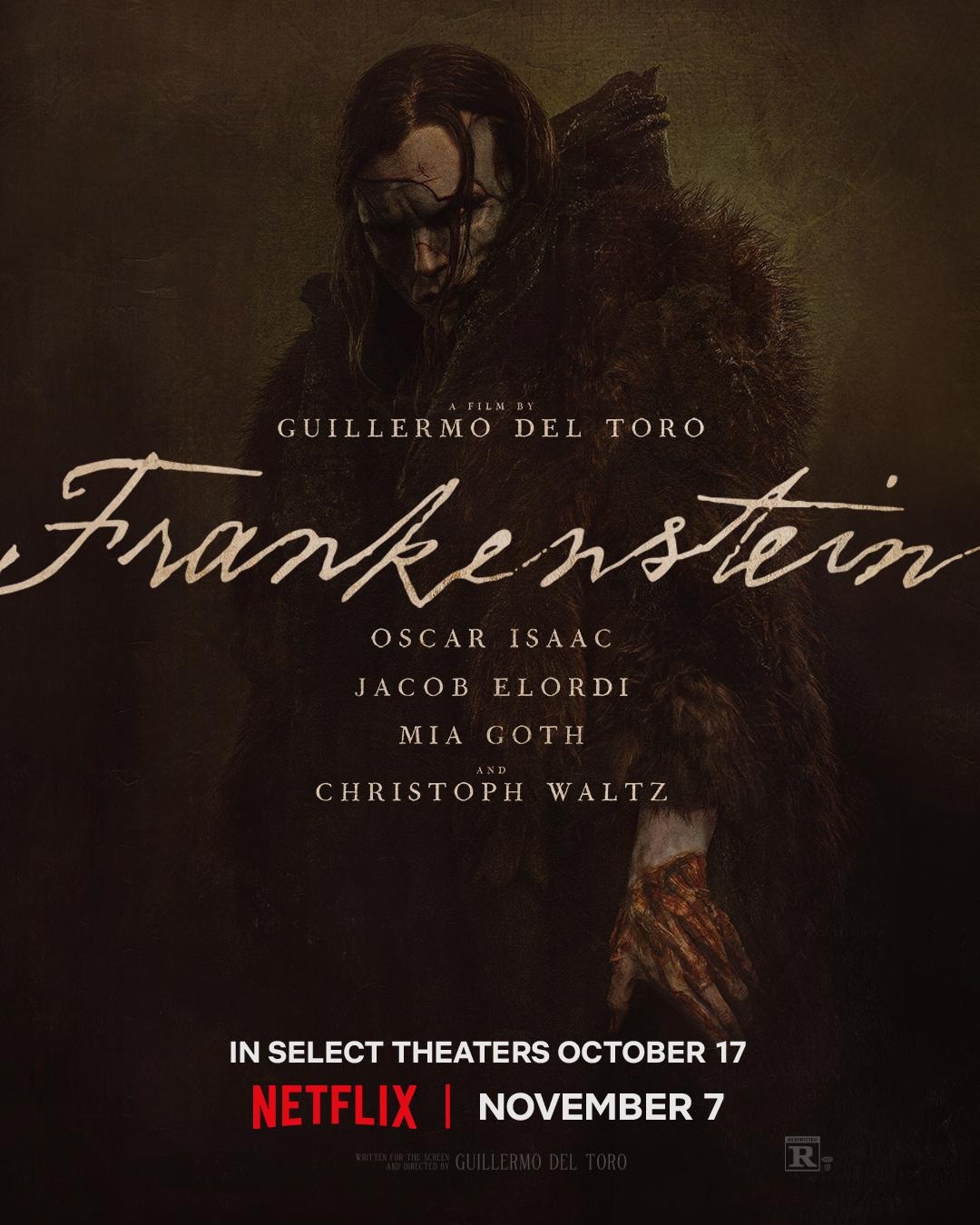
Introduction to Frankenstein 2025
The concept of Frankenstein, born from Mary Shelley’s 1818 novel, has transcended literature into modern-day discussions surrounding technology and artificial intelligence (AI). As we enter 2025, the importance of this topic is underscored by rapid advancements in AI and robotics, raising both ethical questions and innovative possibilities.
Technological Advancements
Over the past decade, we have witnessed an explosion of technological innovation. AI models are now capable of performing tasks that were once confined to the realm of science fiction. In 2025, AI systems are expected to revolutionise industries such as healthcare, education, and manufacturing. Companies are increasingly incorporating AI into workflows, improving efficiency and productivity.
Ethical Considerations
However, as we embrace this technological evolution, the ethical implications of creating ‘life’ through machines cannot be ignored. In February 2023, the European Union proposed regulations for AI, focusing on transparency and accountability. Debate continues over how to regulate powerful AI systems and the moral responsibilities we hold as creators, reminiscent of Victor Frankenstein’s own struggle with his creation.
Case Studies and Innovations
Innovations such as humanoid robots and machine learning applications are becoming more commonplace. For example, Boston Dynamics has developed robots that can mimic human movements with astounding precision. In healthcare, AI algorithms are analysing vast amounts of data to provide personalised treatment plans for patients. These breakthroughs echo the themes of creation and the potential consequences that Shelley explored in her novel.
Public Perception and The Future
Public perception of AI remains mixed. While many celebrate the enhancements in quality of life, others express concern over job displacement and privacy issues. The widespread integration of AI by 2025 may force society to confront its fears and embrace a future that inherits the duality of the Frankenstein narrative: one of innovation and risk.
Conclusion
As we move to 2025, the legacy of Frankenstein continues to serve as a cautionary tale while also inspiring creators to push the boundaries of what is possible. The balance between innovation and ethical considerations will shape not only our technological landscape but also the moral framework within which we operate. Embracing this dialogue will be crucial as we navigate a world increasingly defined by our creations.
You may also like