As the world grapples with the escalating consequences of the US-Iran war, fuel rationing has emerged as a critical issue across Asia and Europe. Just before the crisis intensified, Bangladesh was already facing significant challenges, with its diesel reserves dwindling to just 115,473 tonnes, enough to meet demand for only nine days as of March 4, 2026.
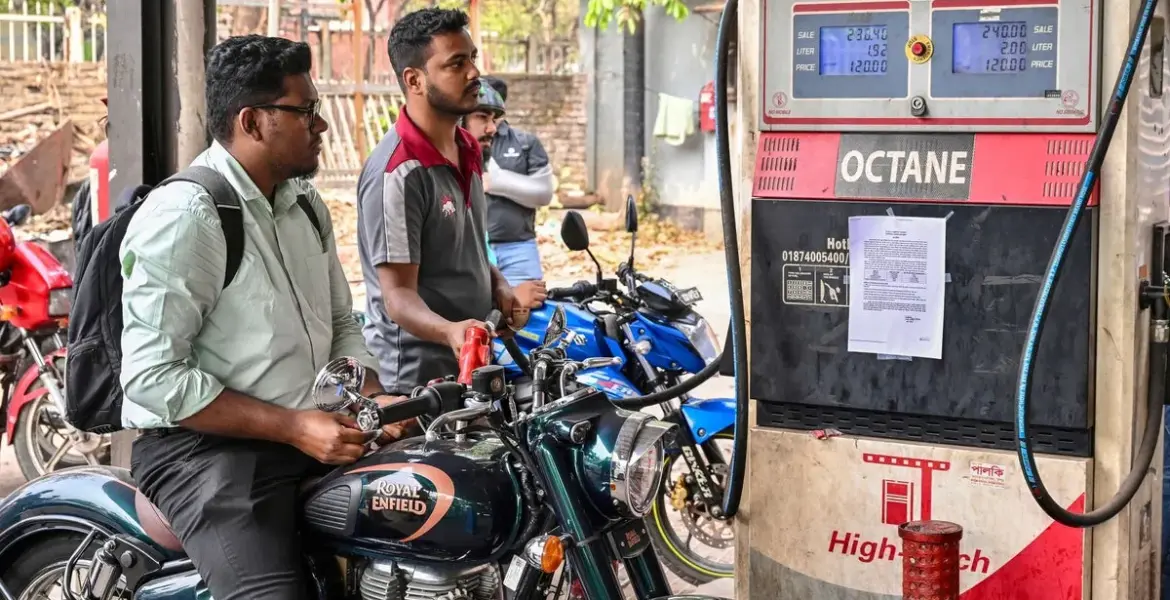
On April 1, 2026, Bangladesh officially imposed fuel rationing for vehicles, a decision driven by the alarming decline in fuel reserves and the blockade at the Strait of Hormuz, through which 90 percent of Asia’s crude oil purchases pass. This move came as the government sought over $2.5 billion in external financing to support fuel and LNG imports, despite claims from Energy Minister Iqbal Hasan Mahmud Tuku that there was no fuel shortage.
In a parallel development, Indonesia also began rationing fuel, capping daily purchases at 50 liters per car. This decision mirrored that of Slovenia, which became the first European country to impose similar restrictions. Both nations are grappling with the fallout from the cumulative oil production losses, which reached a staggering 133 million barrels by mid-March 2026 due to the ongoing conflict.
The situation in Bangladesh has become increasingly chaotic. Miznur Rahman Ratan, a representative of the Bangladesh Petrol Pump Owners’ Association, described the turmoil at fuel stations, where workers have faced assaults from frustrated customers unable to secure octane or petrol. An unnamed official from the Rahman government lamented, “The situation is dire. The spot buying is drying up our coffers, but the government can’t help it. We have reserves for less than 10 days.”
Experts warn that if the Middle East crisis persists, companies will either have to buy fuel at elevated prices or implement further rationing measures. The implications of these developments extend beyond individual nations, as the energy crisis threatens to ripple through the global economy.
Details remain unconfirmed regarding the exact duration of the fuel crisis in Bangladesh, and the long-term impact of the US-Iran war on global oil supply remains uncertain. Shafiqul Alam, a lead energy analyst, pointed out that despite being severely affected by the Russian war in 2022, Bangladesh had no long-term plan to tackle a deeper energy crisis.
As the situation evolves, the interconnectedness of global energy markets becomes increasingly apparent. The actions taken by Bangladesh, Indonesia, and Slovenia may serve as a precursor to broader fuel rationing measures across other nations in Asia and Europe, highlighting the urgent need for strategic planning in the face of ongoing geopolitical tensions.
You may also like