Introduction
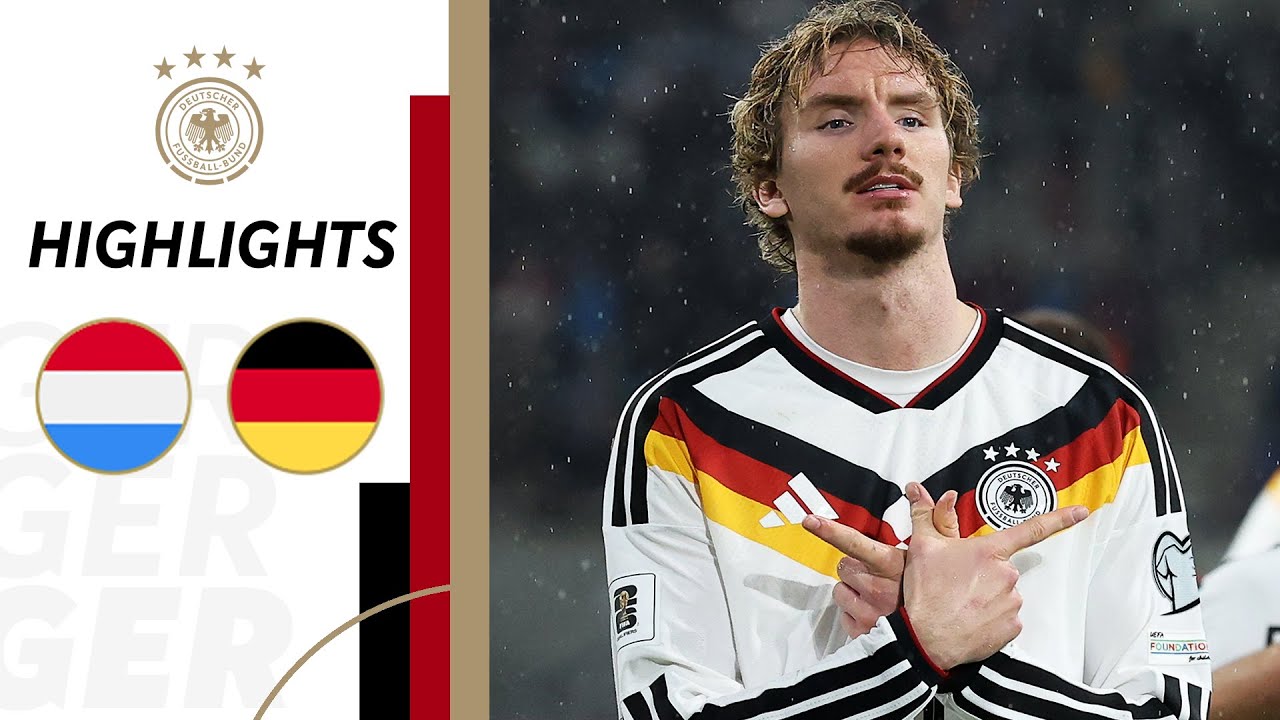
The comparison between Germany and Luxembourg is increasingly relevant as both nations play significant roles in the European Union. While they share borders and certain cultural similarities, the economic landscapes, population dynamics, and historical contexts of these two nations exhibit stark contrasts. Understanding these differences and similarities can provide insight into their functions within the EU and their global influence.
Geographic and Demographic Context
Germany, with a population of approximately 83 million, is the largest country in Central Europe, known for its vast landscapes, which include forests, rivers, and mountain ranges. In contrast, Luxembourg is a small landlocked country with a population of around 645,000. Despite its size, Luxembourg boasts a vibrant multicultural society owing to its welcoming stance towards migrants and expats.
Economic Comparison
Economically, Germany is the powerhouse of Europe, holding the position of the continent’s largest economy, driven by a robust industrial sector and a strong export market. In 2022, Germany’s GDP was approximately €4 trillion. On the other hand, Luxembourg, although small, maintains one of the highest GDP per capita in the world, standing at around €115,700 in 2022. The Luxembourg economy is predominantly service-oriented, with a significant emphasis on banking and finance, technology, and logistics.
Cultural Insights
Culture in Germany is rich and diverse, known for its contributions to philosophy, music, and art. Key figures such as Beethoven and Goethe are integral to its cultural identity. Luxembourg’s culture is a blend influenced by French, German, and Belgian traditions, with a distinctive Luxembourgish language that encapsulates its national character. Notably, both countries celebrate their traditions through festivals, albeit in very different styles and scales.
Political Landscape
Both Germany and Luxembourg are parliamentary democracies but operate quite differently within the EU framework. Germany plays a leading role in EU policy-making, with Chancellor Olaf Scholz being a key figure in various EU discussions. Luxembourg, on the other hand, often advocates for compromise and collaboration among member states, leveraging its diplomatic relationships.
Conclusion
The ongoing interaction between Germany and Luxembourg highlights the importance of regional cooperation within Europe. As both countries navigate challenges such as economic recovery post-COVID and geopolitical tensions, their relationship remains crucial not just for bilateral interaction but for the stability of the EU as a whole. Moving forward, readers should monitor how these two distinct nations continue to shape their paths while contributing to larger European dynamics.
You may also like