Key moments
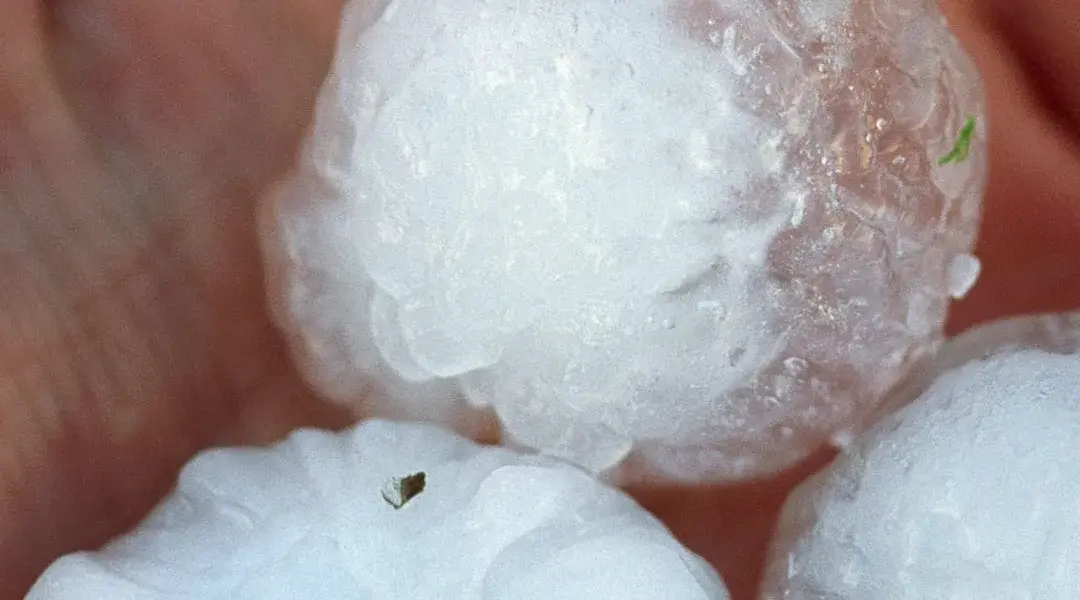
On March 19, 2018, a powerful supercell thunderstorm unleashed a barrage of hailstones larger than grapefruit across northern Alabama, marking a historic moment as the state set its first official hail record. The National Weather Service confirmed that one hailstone measured an astonishing 5.38 inches in diameter and weighed 9.8 ounces, shattering the previous record of 4.25 inches that had stood unchallenged in Alabama.
As the storm raged on, residents were left in shock as the sky turned ominous and the sound of hail pounding against roofs and vehicles filled the air. The sheer size of the hailstones raised immediate concerns about safety and property damage, with many homes and cars suffering significant impacts. Reports of injuries were also noted, highlighting the dangerous nature of such severe weather.
In a related incident, Kankakee, Illinois, reported a six-inch hailstone that could potentially break the state’s record of 4.75 inches, which was set in June 2015. This alarming trend of increasingly severe hailstorms across the Midwest has prompted both meteorologists and residents to take notice, as the frequency and intensity of these storms seem to be on the rise.
Hailstorms are not just a nuisance; they can cause extensive damage to aircraft, homes, and vehicles, and can be deadly to livestock and people. The mechanics of hail formation involve raindrops being carried upward by thunderstorm updrafts into extremely cold areas of the atmosphere, where they freeze and grow larger. Supercell thunderstorms, known for their sustained updrafts, are particularly notorious for producing large hailstones.
Historically, hail has wreaked havoc across the United States, with a handful of storms resulting in damages exceeding $1 billion. The costliest storm on record occurred on April 10, 2001, with property damage estimated at over $2.5 billion in 2018 dollars. This alarming statistic underscores the potential financial impact of severe weather events, particularly as climate patterns continue to shift.
As communities across Alabama and Illinois begin to assess the damage and recover from these recent storms, officials are urging residents to remain vigilant and prepared for future weather events. The National Weather Service continues to monitor conditions closely, providing updates and warnings to help mitigate risks associated with severe weather.
The first reactions from local officials have been one of concern and urgency. Many are calling for increased awareness and preparedness measures to protect residents from the dangers posed by hail and other severe weather phenomena. “We have to take these storms seriously and be ready for whatever nature throws our way,” one local official stated, emphasizing the need for community resilience in the face of such unpredictable weather.
As the storm season progresses, the memories of these record-breaking hailstones will linger in the minds of those affected. The hope is that through shared experiences and increased preparedness, communities can better withstand the challenges posed by severe weather in the future.
You may also like