How it unfolded
As the world prepared for Easter Sunday on April 5, 2026, a wave of excitement swept through social media platforms. Families and friends were not only planning their traditional gatherings but also seeking new ways to express their joy and creativity. The emergence of AI technology had opened up a realm of possibilities, allowing users to transform their personal photos into vibrant Easter-themed images.
In the days leading up to the holiday, many users began experimenting with AI tools like ChatGPT and Gemini. By simply uploading their photos and describing their desired themes, they could create stunning portraits infused with pastel colors and spring motifs. This innovative approach to image creation resonated with the spirit of Easter, a time traditionally associated with hope and renewal, as it celebrated the resurrection of Jesus Christ.
Statistics revealed that more than 60% of social media users were sharing AI-generated pictures during the holiday season. This trend highlighted a shift in how people engage with digital content, as they embraced the opportunity to personalize their greetings and share unique images with loved ones. The allure of holiday-themed AI portraits lay in their ability to provide quick and creative transformations without requiring any design expertise.
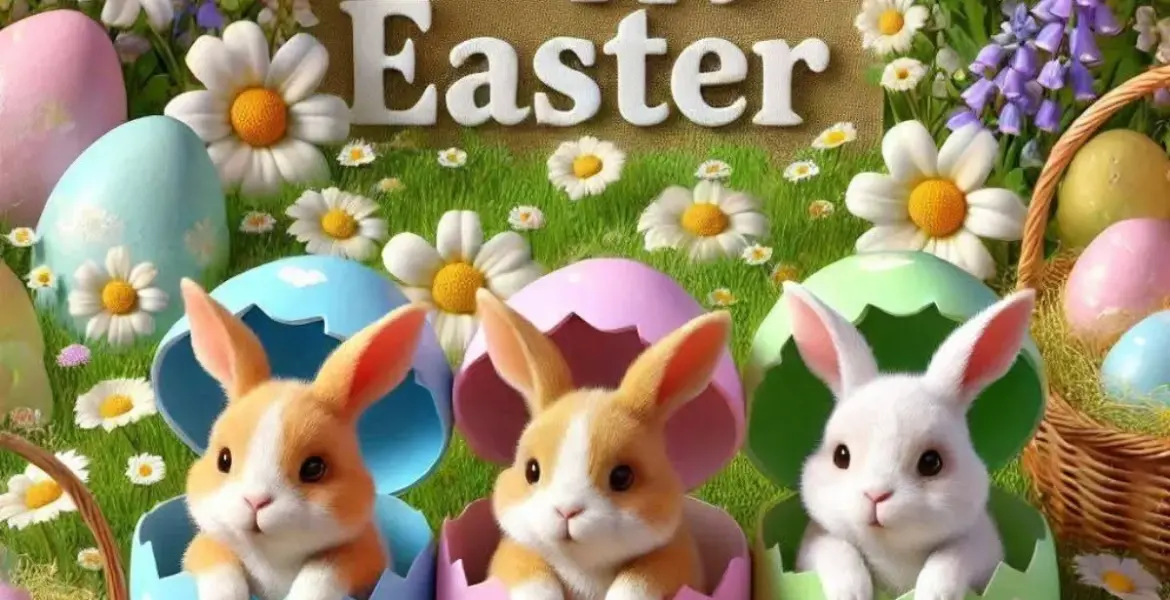
As Easter Sunday approached, users were captivated by the variety of styles available for their AI-generated images. Popular choices included cartoon Easter avatars, watercolor paintings, and vintage postcard themes. Each style offered a different way to capture the essence of the holiday, making it easier for individuals to express their personalities and sentiments through their digital creations.
Moreover, the process of creating these images was not only straightforward but also interactive. Users could refine their portraits step by step after generating an initial image, ensuring that the final product met their expectations. This level of engagement fostered a deeper connection to the artwork, as individuals poured their creativity into the process.
The significance of these developments extended beyond mere aesthetics. Personalized AI-generated images became a means of connection, serving as festive greetings, profile pictures, or digital invitations. They allowed people to share their joy and creativity with others, reinforcing the communal spirit of Easter.
As the day unfolded, social media feeds were filled with vibrant happy Easter images, each telling a unique story of celebration and renewal. The blend of tradition and technology created a new narrative for Easter, one that resonated with the values of hope and creativity. The excitement surrounding these innovations reflected a broader cultural shift towards embracing digital tools for personal expression.
In this evolving landscape, the importance of detailed prompts in generating quality images became evident. Users learned that the more specific they were about colors, moods, and elements, the better the output tended to be. This insight not only enhanced the quality of the images but also encouraged a more thoughtful approach to digital creativity.
You may also like