Introduction
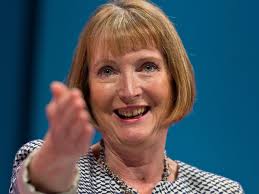
Harriet Harman has been a prominent figure in British politics for several decades, representing the Labour Party and serving in various significant roles. Her career highlights the evolution of gender roles within UK politics, and her achievements continue to inspire many women aspiring to enter the political arena. As she celebrates her achievements, understanding her contributions is crucial for recognising the changing landscape of British governance.
Career Milestones
Harriet Harman was first elected as the Member of Parliament (MP) for Camberwell and Peckham in 1982, making her one of the few women in Parliament at that time. Over the years, she has held a variety of important positions, including Minister of State for Health, and Secretary of State for Social Security. Her impact on health and social welfare policies, particularly related to women and children, is noteworthy.
In 2015, she served as the acting leader of the Labour Party after the resignation of Ed Miliband. Her leadership is often credited with stabilising the party during a tumultuous period and addressing key issues such as the living wage and housing crises. Harman’s advocacy for women’s rights and equality has positioned her as a leading voice in the fight for enhanced female representation in politics.
Recent Developments
As of 2023, Harriet Harman continues to be an influential member of the Labour Party. She has recently focused on several pressing issues, including growing concerns about the Cost of Living Crisis impacting families and vulnerable communities. Her ongoing commitment to social justice is evident in her speeches and legislative proposals aimed at alleviating economic hardships for those affected by rising living costs.
Conclusion
Harriet Harman remains a vital figure in UK politics, with a legacy that underlines the importance of gender representation and advocacy for the underprivileged. As she continues her work in Parliament, her influence extends beyond her constituency, helping shape the future of politics in the UK. Harman’s example highlights the significant strides made toward equal representation, and her perseverance in the face of challenges serves as inspiration for future generations of politicians.
You may also like