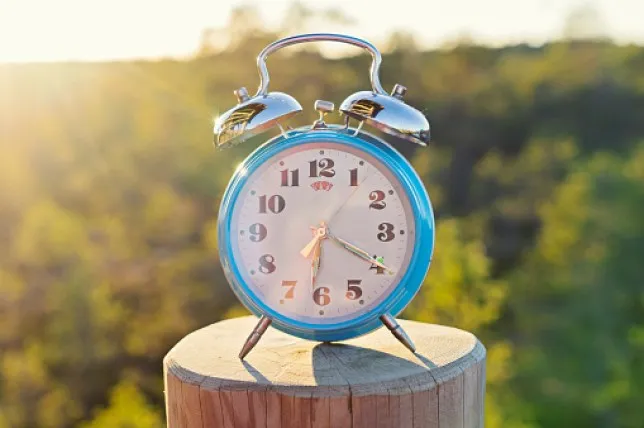
Daylight Saving Time (DST) has been a part of the calendar since it was first proposed by William Willett in 1907. This practice, which involves moving the clocks forward by one hour on the last Sunday in March, aims to make better use of daylight during the longer days of summer. In the United Kingdom, this means that the clocks went forward by an hour on March 29, 2026, marking the start of British Summer Time (BST), which will last until the final Sunday in October when the clocks revert back.
As the clocks shift, many Britons find themselves grappling with the immediate effects of losing an hour of sleep. Dr. John O’Neill, a prominent voice on the subject, likens this shift to a collective experience of jet lag, stating, “It is like everybody in the country gets an hour’s jet lag, all at the same time.” The repercussions of this time change extend beyond mere inconvenience; studies have shown a 24% increase in heart attacks on the day following the switch to DST, raising concerns about the health implications of this annual ritual.
Polling in recent years has revealed that a significant 59% of Britons would prefer to remain on BST permanently if the time changes were to be scrapped altogether. This sentiment reflects a growing awareness of the potential health risks associated with the switch, including increased incidences of strokes and hospital admissions. Charlie Morley, a sleep expert, emphasizes the profound impact that even one extra hour of sleep can have on our bodies and minds, noting, “What research shows is what a massive effect on the body and mind, just one extra hour [of sleep] can have.”
Historically, the first country to adopt DST was Germany in 1916, a move intended to conserve fuel during World War I. Over the years, many countries have followed suit, but today, only about a third of the world observes this practice. The phrase “spring forward, fall back” has become a common mnemonic to help people remember which way the clocks change, a reminder that has persisted for over a century.
Despite its origins, there is a growing argument for the abolition of DST altogether. Dr. O’Neill suggests that while it may have served a purpose for our ancestors, the modern world may benefit from a permanent shift to daylight saving time. As society evolves, so too do our needs and perspectives on time management.
As we adjust to the new time, it’s important to remain mindful of the health implications and the public sentiment surrounding this twice-yearly ritual. Observers and officials continue to debate the future of DST, with many advocating for a reevaluation of its necessity in contemporary life. Details remain unconfirmed regarding any potential changes to the current system, but the conversation is far from over.
You may also like