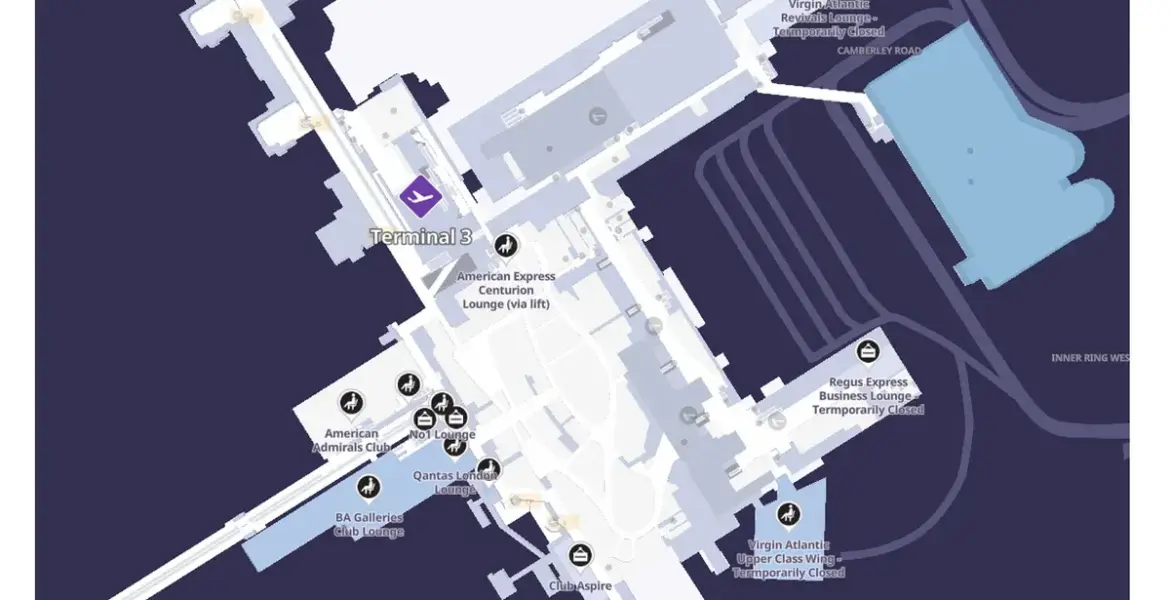
As travelers prepare for their journeys through Heathrow Airport, recent developments are reshaping the experience at one of the world’s busiest airports. Just before the rollout of new security measures, passengers were accustomed to strict regulations regarding liquids in hand luggage. However, with the introduction of next-generation CT scanners, passengers can now carry up to two litres of liquid without the hassle of removing items from their bags.
On April 18, 2026, Saudia announced it would suspend its route from London Heathrow to Dammam, a decision that has left many passengers pondering their travel plans. This route, which had been relaunched in November 2025 after a hiatus since 2010, struggled to gain traction, with an average load factor of only 49.5% in the last months of 2025.
Heathrow Airport, known for its commitment to enhancing passenger experiences, has emphasized that the new security measures mean travelers will no longer need to remove liquids or electronics from their hand luggage. “Passengers travelling through all terminals no longer need to remove liquids or electronics from their hand luggage, or juggle plastic bags at security,” a spokesperson from Heathrow stated.
Despite these advancements, the suspension of Saudia’s route highlights the challenges airlines face in maintaining profitable operations. Industry experts suggest that the airline may have been operating at a loss on this route, which raises questions about the sustainability of certain international connections.
In addition to these operational changes, Heathrow Airport is also seeing significant financial activity. In 2025, passengers paid a staggering £751 million for parking, with the airport charging £46.80 for long stay parking over two to 24 hours. Interestingly, Heathrow offers the first 30 minutes of long stay parking for free, a move aimed at easing the burden on travelers.
As these events unfold, the implications for travelers and airlines alike are profound. The new liquid policies at Heathrow are a welcome change for many, simplifying the security process and enhancing the overall travel experience. However, the suspension of Saudia’s route serves as a reminder of the complexities of international air travel and the need for airlines to adapt to shifting demand.
For now, Heathrow Airport stands as a beacon of innovation in air travel, but the future remains uncertain for specific routes and airlines. As the aviation landscape continues to evolve, both passengers and airlines will need to navigate these changes with care and consideration.
You may also like