Introduction
Hezbollah, the Lebanese militant group and political party, has been a significant force in Middle Eastern geopolitics for decades. With its origins tracing back to the 1980s during the Lebanese Civil War, Hezbollah has evolved into a powerful entity that plays a critical role in regional conflicts, especially in regards to the ongoing tensions involving Israel and Syria. Understanding Hezbollah’s actions and its ramifications is crucial not only for Middle Eastern nations but also for global powers, given the group’s strategic alliances and military capabilities.
Key Events and Developments
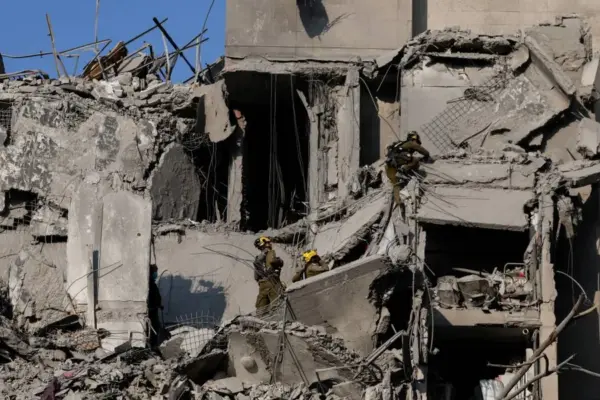
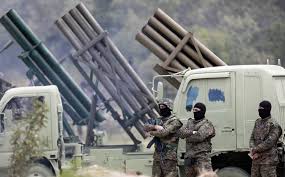
Recently, Hezbollah has garnered attention due to the escalating conflicts in the region. In early 2023, they intensified their military posturing along the Lebanese-Israeli border, coinciding with increased hostilities between Israel and Palestinian groups. Reports indicate that Hezbollah has received advanced weaponry from Iran, further complicating the security landscape. Moreover, in July 2023, the group announced the formation of new military brigades aimed at countering what it termed “Israeli aggression,” signalling a potential escalation of military engagement.
The Syrian Civil War has also been pivotal to Hezbollah’s strategy, as the group has supported the Bashar al-Assad regime since 2011, positioning itself as a defender against Sunni extremist groups. This involvement not only cemented their status within the Syrian territory but also bolstered their influence across the region, particularly among Shia populations in Iraq and elsewhere.
International Reactions
Hezbollah’s activities have elicited varied reactions from international governments. The United States has labeled the group a terrorist organisation and continues to sanction both its leaders and activities. Conversely, some countries, particularly in the Middle East, view Hezbollah as a legitimate resistance force against Israeli actions. This dichotomy creates a complicated environment for diplomacy, as nations attempt to navigate their relationships with Lebanon amid Hezbollah’s continued assertiveness.
Conclusion
Hezbollah’s growing military capabilities and political influence signify that it will remain a crucial player in Middle Eastern affairs for the foreseeable future. As regional tensions simmer and alliances shift, understanding Hezbollah’s motivations and strategic goals becomes increasingly important for any nation interested in the stability of the Middle East. Observers predict that unless a diplomatic solution addressing the underlying issues between Israel and its neighbours is found, the potential for conflict involving Hezbollah will only increase, further complicating an already volatile landscape.
You may also like