Introduction
Hand, foot, and mouth disease (HFMD) is a common viral infection, particularly affecting children under five years of age. Recently, an outbreak of HFMD in Tennessee has led to heightened concern among parents and public health officials alike. This article aims to provide an overview of the outbreak, its implications, and the measures being adopted to curb its spread.
The Current Outbreak
As of mid-September 2023, health officials in Tennessee reported a significant increase in cases of HFMD, primarily in children. The outbreak has been attributed to various strains of enteroviruses, particularly coxsackievirus, which is known to cause HFMD. Regions such as Nashville and Memphis have seen a particularly marked rise in reported cases, with local clinics expressing overburdened workloads due to increased consultations regarding symptoms.
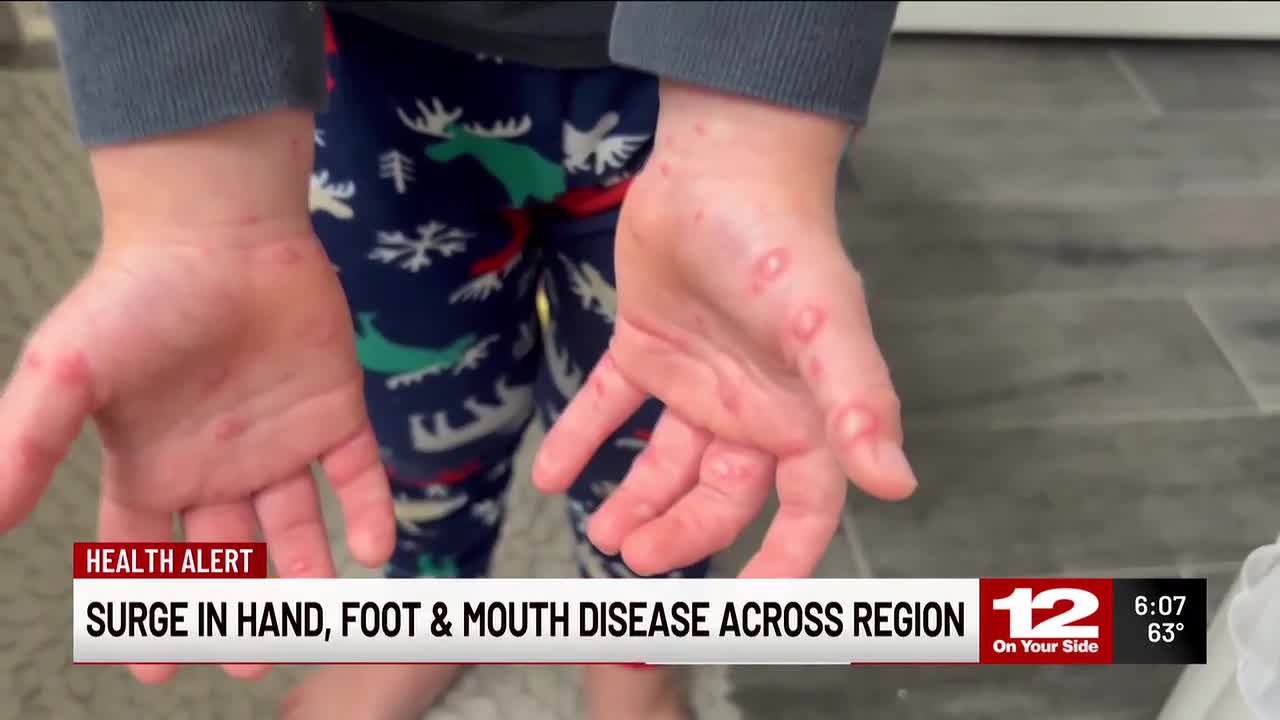
Symptoms of HFMD include fever, sore throat, and painful sores in the mouth, along with rashes and blisters on the hands and feet. The Centers for Disease Control and Prevention (CDC) notes that the disease is mainly transmitted through close personal contact, respiratory droplets, and contact with contaminated surfaces. Early intervention and supportive care are crucial to managing the illness, though there is currently no specific antiviral treatment.
Preventive Measures and Public Health Response
In response to the rising cases, health authorities in Tennessee have ramped up awareness campaigns to educate parents and caregivers about prevention strategies. The Tennessee Department of Health is urging communities to practice good hygiene, including frequent handwashing, sanitisation of surfaces, and avoiding close contact with infected individuals. Additionally, schools and daycare centres are being encouraged to implement policies that isolate symptomatic children to prevent outbreaks within these environments.
Experts emphasize that vaccination against enteroviruses is still under development, making public health measures crucial at this time. Parents are advised to monitor their children for symptoms and to seek medical attention if they observe signs consistent with HFMD.
Conclusion
The recent outbreak of HFMD in Tennessee underscores the importance of vigilance in public health, particularly concerning contagious diseases among children. While the situation is being closely monitored by health authorities, continued education and preventive measures are vital in limiting the spread of the disease. Parents and educators must remain informed and proactive in protecting the health of young children, ensuring that proper hygiene practices are not only implemented but also reinforced.
You may also like