Introduction
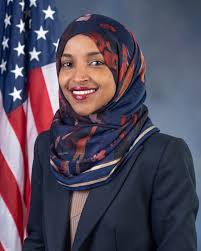
Ilhan Omar, a prominent figure in American politics, has become synonymous with progressive activism and diversity within the U.S. Congress. As a member of the House of Representatives, her journey from a refugee to a legislator represents not just personal resilience but also a broader narrative of inclusivity in American democracy. Her story resonates particularly in today’s political climate, where discussions surrounding immigration, racial justice, and healthcare remain at the forefront. Omar’s rise captivates many as she challenges the status quo and advocates for marginalized communities.
Background
Born in Somalia in 1982, Omar and her family fled to the United States in 1995 after spending four years in a refugee camp in Kenya. She settled in Minnesota, where she later became involved in community organizing and politics. In 2016, Omar made history by becoming the first Somali-American elected to a state legislature in the U.S. She was then elected to Congress in 2018, representing Minnesota’s 5th district, which is notable for its progressive values and diverse population.
Legislative Focus and Achievements
During her time in Congress, Ilhan Omar has focused on critical issues such as healthcare reform, immigration policy, and racial equity. She has been a vocal advocate for Medicare for All, arguing that healthcare is a human right. Additionally, her commitment to addressing the roots of systemic racism and promoting policies that benefit low-income families has garnered her both acclaim and criticism.
Omar has also gained attention for her outspoken stance on foreign policy, particularly regarding Israel and Palestine, which has sparked significant debate within the political sphere. Critics argue her views contribute to anti-Semitic rhetoric, while supporters argue she is voicing the legitimate concerns of Palestinian rights. Her actions reflect the complexities of balancing advocacy with diplomacy in a politically charged environment.
Recent Developments
As of late 2023, Omar remains a central figure as Democrats navigate upcoming elections. She continues to engage with constituents through social media platforms, advocating for various reforms and encouraging civic participation. Her role within the Congressional Progressive Caucus positions her at the heart of significant legislative battles, particularly regarding climate change and education reform.
Conclusion
Ilhan Omar’s journey illustrates the evolving landscape of U.S. politics, where diverse voices are increasingly entering mainstream discourse. As she continues to champion progressive causes, her impact is palpable in fostering discussions on justice and equity. Looking ahead, her influence will likely grow, especially as political dynamics shift. For readers, Omar serves as a reminder of the power of representation and activism. Engaging with her work can inspire a deeper understanding of the current political climate and the importance of inclusive governance.
You may also like