Introduction
The recent snowfall across Europe has captured the attention of many as regions face record-breaking winter weather. This significant weather event has disrupted daily life, strained transportation networks, and spurred discussions about climate changes and their impacts on winter seasons. With January 2023 already marked by heavy snowfall in various parts of Europe, this development poses a unique challenge and raises critical questions about preparedness and response strategies.
Current Situation and Statistics
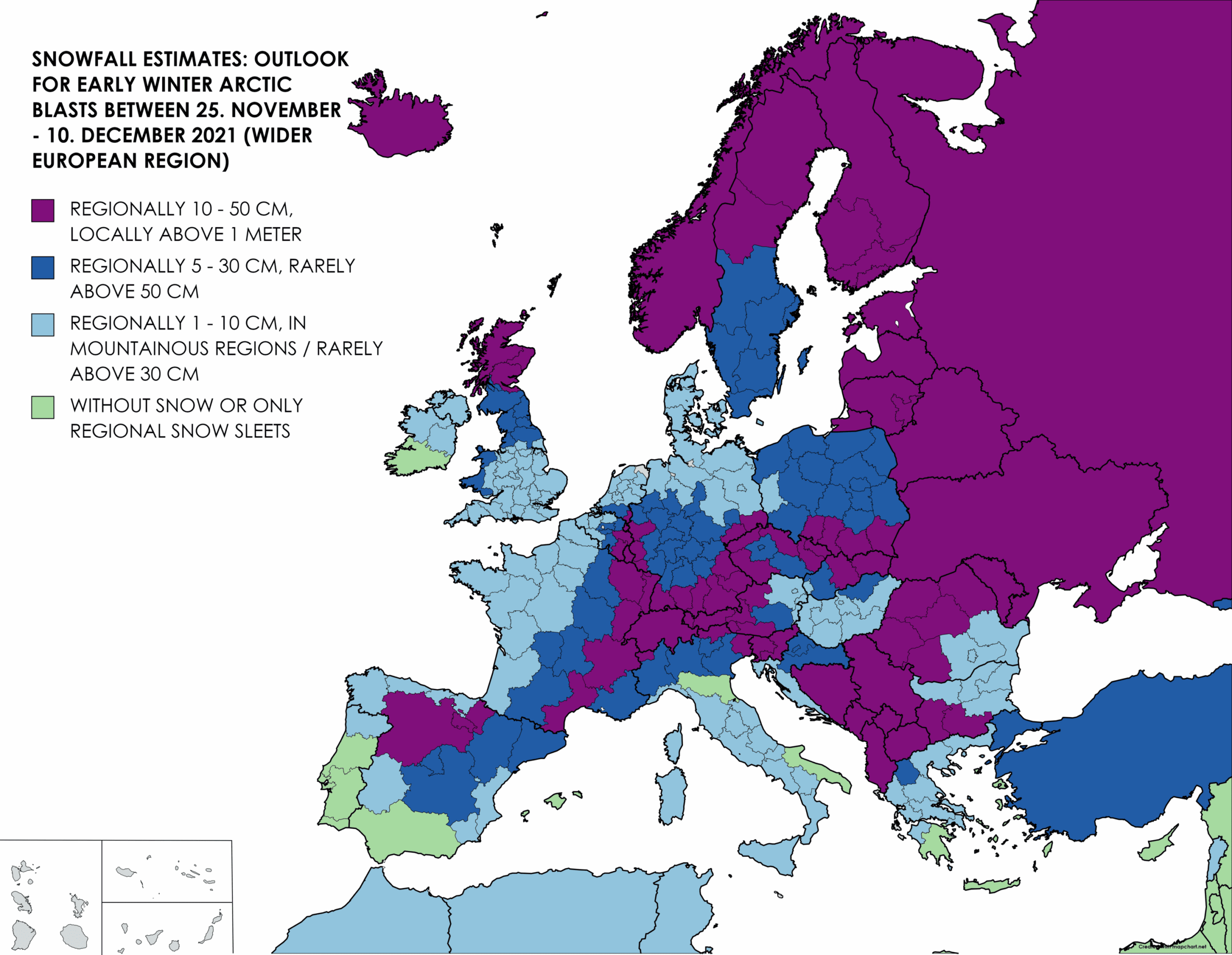
As reported by the European Weather Service, countries such as Austria, Italy, and Switzerland have recorded unprecedented snowfall levels, with some regions experiencing up to 3 metres of snow in the past month alone. This has led to the triggering of avalanche alerts, particularly in the alpine regions, with Austrian authorities closing off several slopes and ski resorts for safety reasons. Transportation has also been affected; several highways have seen blockages and delays, while rail services, particularly in the southern regions of Germany, have faced cancellations and extensive delays.
Disruptions in Daily Life
For many residents, the heavy snowfall means more than just disruptions in travel. In urban areas, the accumulation has affected public transport systems, leading to long wait times and overcrowding, as people seek alternatives amid the harsh conditions. Schools in regions such as the French Alps have closed, and local governments have urged residents to remain indoors to ensure their safety during the worst of the weather. Increased demand for snow removal services has also put pressure on local municipalities, as they strive to keep roads and sidewalks clear for residents.
Looking Ahead
Experts predict that such snowfall occurrences may become more common with ongoing climate changes. Meteorologist Dr. Emily Hartley notes that while heavy snow is typical in European winters, the intensity and duration seen this year could reflect a shifting climate dynamic. As we look towards the rest of the winter season, authorities and citizens alike must remain vigilant and prepared for similar weather events in the coming months.
Conclusion
The snowfall across Europe in 2023 is more than just an environmental occurrence; it has significant ramifications for communities, travel, and public safety. As reports continue to unfold, it is essential for both residents and governments to adapt and develop comprehensive strategies for managing the impacts of extreme winter weather. The lessons learnt from this year may prove vital in shaping future responses, highlighting the need for resilience in the face of climate variability.
You may also like