Introduction
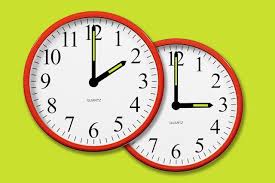
The annual clock change, a biannual tradition dictated by the shift between standard time and daylight saving time, continues to be a relevant topic as many countries navigate its implications on lifestyle, energy consumption, and public health. In 2025, significant discussions around the clock change will gather momentum, especially in the context of ongoing debates about its relevance and sustainability.
The Clock Change Debate
In the UK, the practice of changing clocks occurs twice a year, typically on the last Sunday in March when clocks go forward an hour and the last Sunday in October when they fall back an hour. As we approach 2025, there is increasing scrutiny on whether this tradition should be maintained. Advocates for abolishing the clock change argue that it disrupts sleep patterns and can lead to increased health risks, including heart attacks and strokes. On the other hand, proponents argue that the extra hour of daylight in the evening during summer months encourages outdoor activities and boosts local economies.
Legislative Movements
In recent years, several discussions have taken place within the European Union regarding the future of daylight saving time. In 2019, the European Parliament voted to end the practice by 2021, yet this proposal has not been effectively ratified across member states. In the UK, similar conversations have unfolded, with the government reviewing the impact of clock changes on society. By 2025, it is anticipated that the impact of these reviews will be more pronounced, potentially leading to a nationwide change in legislation regarding daylight saving time.
Public Response and Predictions
Public sentiment on clock changes appears mixed. Polls show that many people prefer the longer daylight hours of summer evenings but dislike the confusion and disruption caused by the changes. As 2025 approaches, campaigns advocating for the abolition of the clock change may gain more traction, possibly sparking more extensive consultations and debates in both public and parliamentary forums.
Conclusion
The clock change in 2025 is set against a backdrop of increasing scrutiny regarding its necessity and benefits. The outcomes of ongoing discussions and the public response will significantly influence any potential changes to this long-standing tradition. As we approach 2025, it will be crucial for citizens to engage in dialogue and provide feedback on the clock change, as it is a practice that affects everyone’s daily life. Continuous evaluation of its impact on health, economy, and community well-being will ultimately dictate whether this annual ritual will endure or fade into history.
You may also like