The Growing Concern of Incendies
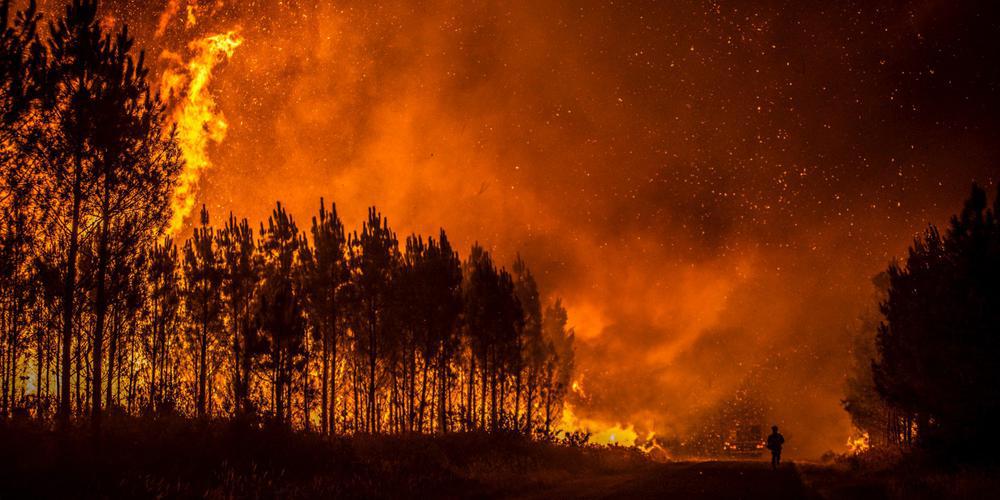
Incendies, the French term for fires, have been making headlines around the world due to their growing frequency and intensity. In recent months, various regions have witnessed devastating fire incidents, prompting discussions about climate change, forest management, and emergency responses. Understanding the causes and implications of these fires is essential for communities and policymakers alike.
Recent Incidence Statistics
According to the National Interagency Fire Center (NIFC), over 50,000 wildfires have been recorded across the United States this year, burning more than 7 million acres of land. Similarly, Europe has faced serious wildfire outbreaks, especially in Mediterranean countries like Greece and Spain, where record-high temperatures have fuelled the flames. With climate conditions becoming more erratic, these incidences have raised urgent concerns about preparedness and response.
Causes of the Rising Incendies
The primary causes of these fires can be attributed to a combination of factors. Climate change has significantly increased temperatures and altered precipitation patterns, leading to dry conditions that are conducive to fires. Human activities such as land use changes, urban expansion into fire-prone areas, and neglectful behaviours also exacerbate the issue, with many fires igniting due to discarded cigarette butts, fireworks, or other careless actions.
The Impact on Communities and Ecosystems
The consequences of incendies can be devastating. Communities are often forced to evacuate, leading to property loss, emotional distress, and economic challenges. Furthermore, wildlife and natural ecosystems suffer drastically, with habitats destroyed and biodiversity severely impacted. The air quality diminishes, leading to health risks even for those far away from the flames. In areas like California, long after fires are contained, the aftermath continues to affect residents through smoke and hazardous conditions.
Conclusion: The Path Forward
As the frequency of incendies continues to rise, it is crucial for local and national governments to adopt more proactive fire management strategies. Investments in forest management, public awareness campaigns, and improved emergency response systems are vital. Moreover, addressing climate change by significantly reducing greenhouse gas emissions can help mitigate future incidents. For residents, staying informed about fire safety and preparedness can make a significant difference in the face of this growing threat. Understanding the dynamics of incendies not only equips us to handle current challenges but also prepares us for a future where fire risks may increase.
You may also like