Introduction
In recent years, the frequency and sophistication of cyber attacks have escalated, posing significant threats across various sectors. Particularly vulnerable are critical infrastructures like airports, which are essential to global transit and economy. This article delves into the current landscape of cyber threats facing European airports, highlighting the importance of cybersecurity measures in safeguarding travel and aviation operations.
The Rise in Cyber Attacks
Recent incidents have underscored an alarming trend: European airports are increasingly targeted by cybercriminals and state-sponsored actors. According to the European Union Agency for Cybersecurity (ENISA), reported incidents surged by 48% in 2022 compared to the previous year. Airports in countries like France, Belgium, and the UK faced severe disruptions, with systems being compromised and sensitive passenger data at risk.
Notable Incidents
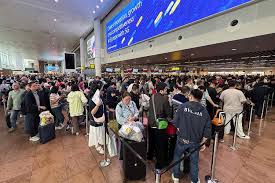
In March 2023, a major cyber attack targeted Brussels Airport, causing widespread flight cancellations and delays as staff scrambled to restore compromised systems. Investigations revealed that hackers deployed ransomware, encrypting critical operational data and demanding a ransom for its release. Similar tactics have been noted in attacks on other European airports, raising alarms about the potential for severe disruptions during peak travel periods.
Implications and Response Measures
The implications of such cyber attacks are vast, impacting not just operational efficiency but also passenger trust and safety. Governments and airport authorities are urged to improve their cybersecurity frameworks, adopting advanced technologies such as artificial intelligence and machine learning to detect and mitigate threats proactively. Public awareness campaigns about cybersecurity best practices for both employees and passengers are also crucial.
Conclusion
As technological advancements continue to shape aviation, the threat of cyber attacks on European airports will likely persist and evolve. The need for robust cybersecurity measures is more pressing than ever to protect the integrity of travel and tourism. Stakeholders must collaborate, sharing both resources and intelligence, to fortify airport systems against future attacks. Enhanced resilience not only ensures the safety of travel but also builds public confidence in the aviation sector as a whole.
You may also like