Introduction
The presence of Russian military jets near Poland has raised significant concerns regarding the stability and security of Eastern Europe. As geopolitical tensions continue to rise, incidents involving military aircraft have become a focal point in the ongoing standoff between NATO and Russia. This situation is essential to monitor, as it could influence power dynamics in the region and affect international relations.
Recent Events
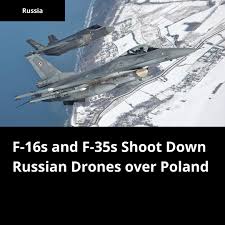
In recent weeks, there have been multiple reports of Russian jets crossing into airspace near Poland. Local military officials confirmed that Polish air defence systems have been placed on high alert in response to these incursions. According to Polish Defence Minister Mariusz Błaszczak, the movements of these jets have prompted a thorough assessment of national security protocols.
On 3rd October 2023, Polish fighter jets were scrambled to intercept a Russian military aircraft that had ventured dangerously close to Polish airspace. The Russian Ministry of Defence has claimed that the flights are part of routine military exercises, yet NATO allies express concerns that these provocative actions could lead to misunderstandings or escalations of force.
NATO’s Response
In light of these developments, NATO has expressed its commitment to collective defence and vigilance in the face of potential threats. NATO Secretary-General Jens Stoltenberg asserted that the alliance is closely monitoring the situation and is prepared to respond decisively to any threats against member states. Increased joint military exercises involving Polish troops and their NATO allies are being planned to enhance readiness and interoperability in response to the ongoing tensions.
Conclusion
The incursions of Russian jets near Poland represent a worrying continuation of the fraught relationship between Russia and NATO allies. As geopolitical tensions worsen, the need for a robust response to protect national airspace and maintain security becomes paramount. The international community must remain vigilant and proactive to prevent any escalation into conflict, reinforcing the importance of diplomatic channels for discussion and resolution. With the situation still evolving, the overarching implications for regional stability in Eastern Europe cannot be understated, requiring ongoing attention from all stakeholders.
You may also like