What insurance measures are being proposed for the Strait of Hormuz?
The recent proposal by US President Donald Trump to provide insurance risk guarantees aims to stabilize shipping in the strategically crucial Strait of Hormuz, where roughly 20 percent of global oil flows. This initiative comes in response to escalating tensions in the region, particularly involving Iran.
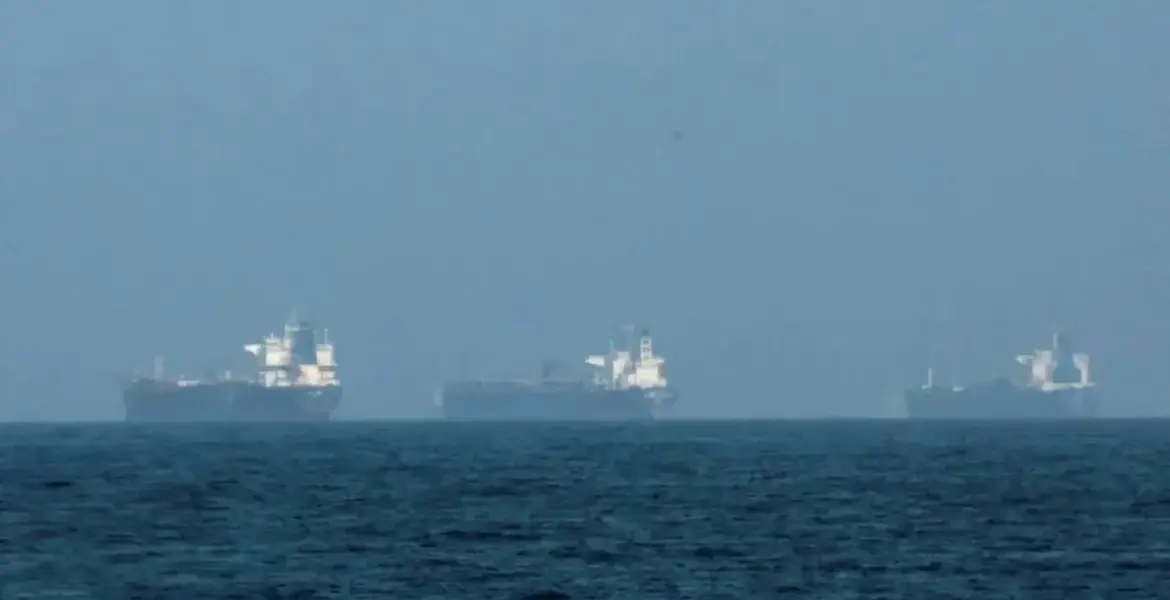
As part of this strategy, the US Navy may escort oil tankers through the strait to enhance security. However, more than half of the world’s major marine insurance associations have announced plans to suspend war-risk coverage for vessels entering the Arabian Gulf, indicating a significant shift in the risk landscape.
Insurance costs for shipping are expected to remain high despite these proposed measures. War-risk insurance premiums have surged by around 300 percent, now reaching about 1.5 percent of the value of each shipment. This dramatic increase reflects the heightened risks associated with navigating these waters.
Military convoys, while providing some level of protection, may inadvertently slow shipping traffic and create logistical bottlenecks, further increasing costs. Experts warn that the proposed guarantees may not be sufficient to ensure the safe passage of commercial shipping.
Abdulaziz Sager, a regional expert, stated, “The proposed guarantees would not be enough to ensure the safe passage of commercial shipping.” This sentiment is echoed by Saeed Salam, who noted that while naval escorts may offer psychological reassurance, they cannot fully counter asymmetric threats such as naval mines, suicide drones, or anti-ship missiles.
Iran retains several options to target vessels, including missiles and cyberattacks, which complicates the security environment. The US strategy reflects an attempt to impose forced stability in the Strait of Hormuz, but the effectiveness of these measures remains uncertain.
Moreover, the duration of the conflict will significantly affect the scale of economic losses in trade volumes and shipping costs. Any failure to militarily protect insured vessels could undermine the entire insurance framework and expose the US Treasury to massive compensation claims, as highlighted by Salam.
Details remain unconfirmed regarding how the US International Development Finance Corporation would structure insurance coverage. As the situation evolves, stakeholders in the shipping and insurance industries will be closely monitoring developments in this critical region.
You may also like