What are the implications of Iran’s recent mining activities in the Strait of Hormuz?
Iran has begun laying mines in the Strait of Hormuz, a critical passage for global oil shipments, raising significant concerns about the potential disruption of oil supplies. This action is seen as a direct response to ongoing tensions with the United States and its allies, particularly in light of recent military engagements in the region.
Current Situation and Key Facts
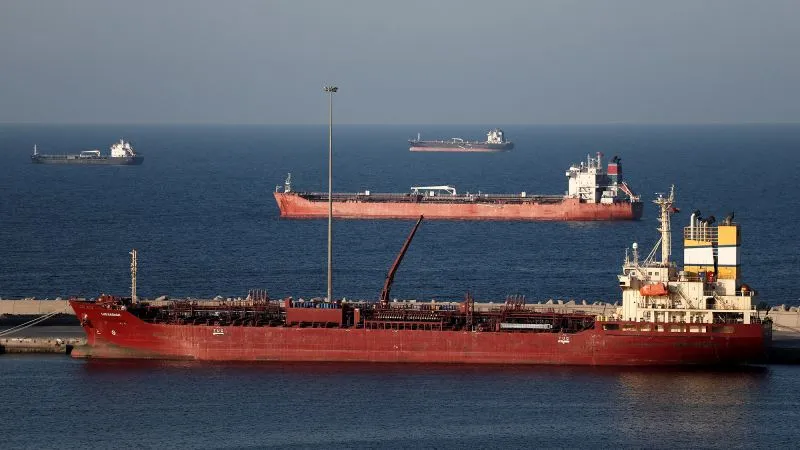
The mining is not extensive yet, with reports indicating that a few dozen mines have been laid in recent days. Iran retains a substantial naval capability, with estimates suggesting it possesses between 2,000 to 6,000 naval mines. The Strait of Hormuz is particularly vital, as approximately 20 percent of the world’s oil supply passes through this narrow waterway, which is only 34 kilometers wide at its narrowest point.
In a show of force, the US Central Command recently destroyed multiple Iranian naval ships, including 16 minelayers, near the Strait of Hormuz. This escalation follows a warning from Iran’s Islamic Revolutionary Guard Corps, which stated that it would not allow even ‘one litre of oil’ to leave the region if US-Israeli attacks continue. The situation is further complicated by the fact that about 15 million barrels per day of crude production and 4.5 million barrels per day of refined fuels could be stranded in the Gulf due to these tensions.
This is not the first time Iran has resorted to mining as a tactic. During the ‘Tanker War’ in the 1980s, Iran routinely placed naval mines along major shipping routes used by oil tankers, aiming to disrupt maritime traffic and exert pressure on its adversaries. The current situation echoes those historical tactics, as Iran seeks to leverage its naval capabilities in response to perceived threats.
International Reactions
US officials have reacted strongly to Iran’s actions. Former President Donald Trump stated, “If Iran has put out any mines in the Hormuz Strait, and we have no reports of them doing so, we want them removed, IMMEDIATELY!” He further warned that if mines were not removed, the military consequences for Iran would be unprecedented. Trump’s statements reflect a broader concern within the US administration regarding the potential for conflict in the region.
Future Implications
As tensions escalate, the international community is closely monitoring the situation. The exact number of mines Iran has laid is unclear, and the current status of oil shipments through the Strait of Hormuz remains uncertain. The potential for military confrontation looms large, with Iranian officials asserting that any movement of the US fleet and its allies will be met with significant resistance. Ali Mohammad Naini, a spokesperson for the Iranian military, emphasized, “Any movement of the US fleet and its allies will be stopped by our missiles and drones.” Details remain unconfirmed.
The situation in the Strait of Hormuz continues to evolve, with both military and economic implications for global oil markets. As the world watches, the actions taken by Iran and the responses from the US and its allies will be crucial in determining the future stability of this vital maritime corridor.
You may also like