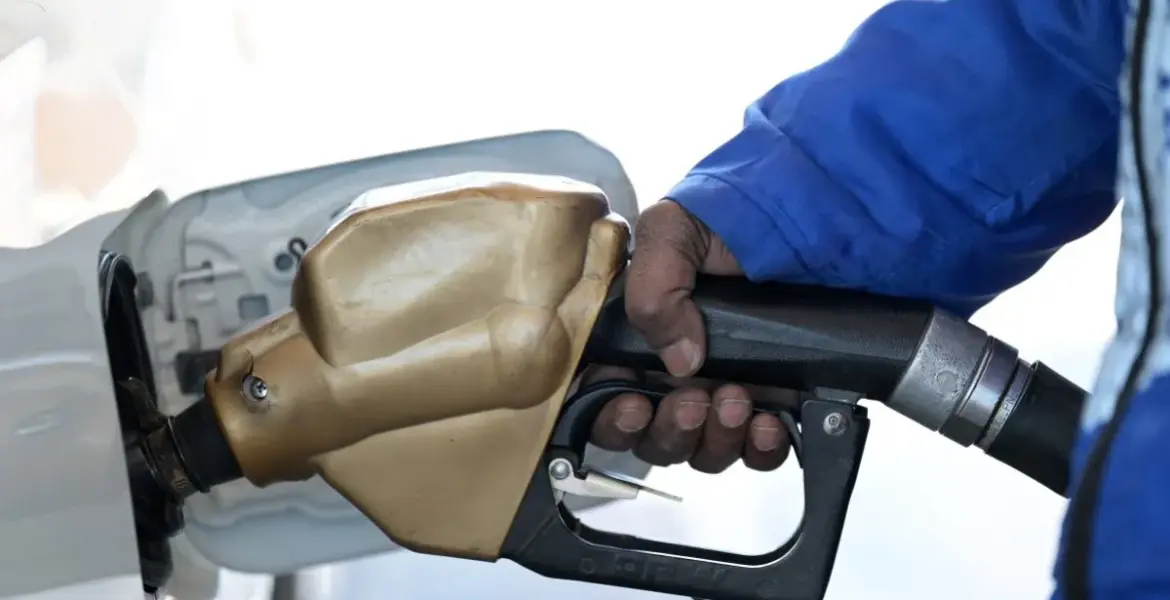
Impact of the Iran War on Oil Prices
On March 11, 2026, the ongoing conflict involving Iran has led to a notable decline in global oil prices, with Brent crude experiencing a sharp drop of 17 percent, falling below $80 a barrel before rebounding to nearly $90. This volatility is largely attributed to mixed messages regarding the implications of the war between the United States and Israel against Iran, creating uncertainty in the market.
Immediate Circumstances
The effective closure of the Strait of Hormuz, a critical passage for global oil shipments, has forced several countries to reduce their oil production. As a result, US petroleum prices have surged approximately 17 percent since the conflict began. The International Energy Agency is now contemplating the largest release of oil reserves in its history to stabilize the market.
The Iran war has thrown global oil and gas flows into chaos, exacerbating existing tensions in the energy sector. Prior to the recent downturn, oil prices had risen by 50 percent, reaching a peak of $120 per barrel. This dramatic fluctuation in prices is not only affecting oil producers but also has broader implications for inflation and economic growth. Every 10 percent rise in oil prices corresponds with a 0.4 percent increase in inflation and a 0.15 percent reduction in economic growth.
International Reactions
In response to the rising oil prices, various countries are taking measures to mitigate the impact on their economies. The European Union has urged the United States to strictly enforce the G7 price cap on Russian oil, while Germany’s Chancellor has stated that there is no reason to ease sanctions on Russia. Italy has threatened to impose higher taxes on companies perceived to be profiting from the soaring oil prices, and Hungary and Croatia have announced a price cap on fuel.
Official Statements
Officials have expressed concerns about the potential for the conflict to lead to abusive pricing at the pump. French Minister Sébastien Lecornu remarked, “The war in the Middle East must not become a pretext for abusive prices at the pump.” Italian Prime Minister Giorgia Meloni emphasized her determination to prevent speculators from exploiting the crisis, stating, “I am very determined to do what I can to prevent speculators from exploiting the crisis at the expense of families and businesses.”
Future Considerations
As the conflict continues, the situation remains fluid, with uncertainties surrounding both the duration of the war and the effectiveness of US military actions in the region. Details remain unconfirmed, but the ongoing volatility in oil prices is expected to have lasting effects on the global economy.
The Iran war has not only disrupted oil production but has also led to significant fluctuations in global oil prices, prompting various countries to take action in response to the crisis. The international community continues to monitor the situation closely as it evolves.
You may also like