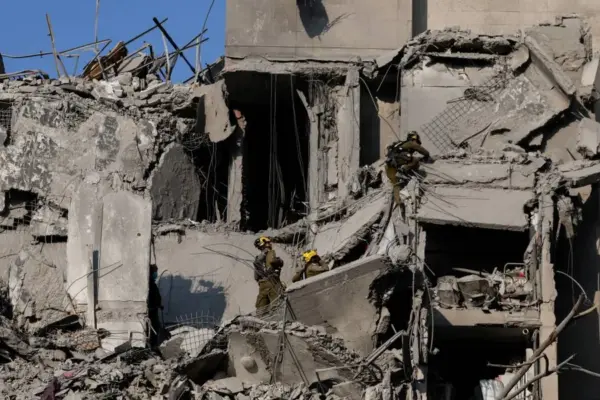
Escalating Conflict in the Gulf
In a significant escalation of hostilities, Iran has launched missile and drone attacks targeting Bahrain, the United Arab Emirates (UAE), and Qatar. These attacks have raised alarms across the Gulf region, particularly as Qatar supplies roughly 20% of the world’s gas, making it a critical player in global energy markets.
Details of the Attacks
According to reports, international airports, water utilities, and gas infrastructure were among the facilities targeted during these strikes. Notably, 25% of the attacks were directed at civilian facilities, prompting widespread condemnation. Qatar’s Prime Minister, Sheikh Mohammed bin Abdulrahman al Thani, described the strikes as a “dangerous miscalculation” by Iran, emphasizing the unexpected nature of these assaults.
Reactions from Qatar
Sheikh Mohammed expressed a profound sense of betrayal over the attacks, stating, “It is a big sense of betrayal.” He further noted that the miscalculation by the Iranians to attack Gulf countries has “destroyed everything.” Despite the escalating tensions, Qatar continues to seek avenues for de-escalation, underscoring its commitment to regional stability.
Iran’s Position
In response to the situation, Iran’s President has issued a message asserting that Tehran does not seek hostility with its neighbors. However, Iranian military officials have warned that they would target any location that serves as a launch point for attacks against Iranian territory, indicating a readiness to escalate further if provoked.
The conflict has drawn in multiple Middle Eastern states, affecting countries including Iraq, Israel, Jordan, Kuwait, Bahrain, and Saudi Arabia. The ongoing tensions are rooted in a complex web of historical grievances and geopolitical rivalries, exacerbated by recent conflicts and shifting alliances in the region.
Casualties and Impacts
While specific casualty figures from the recent attacks remain unclear, the situation is reminiscent of previous conflicts in the region, such as the tragic incident that resulted in 168 fatalities at a girls’ school in Iran. The Kuwaiti Ministry of Defense reported that 14 ballistic missiles and 23 drones were recorded during the assaults, highlighting the scale of the military engagement.
Looking Ahead
As the situation develops, observers remain cautious about the potential for further escalation. The international community is closely monitoring the conflict, with calls for restraint and dialogue becoming increasingly urgent. Details remain unconfirmed regarding the full extent of the attacks and their aftermath, leaving many questions about the future of Gulf stability unanswered.
You may also like