In recent months, the geopolitical landscape surrounding Iran and Israel has been marked by a tense standoff, with both nations on high alert. Prior to the latest developments, there was a prevailing expectation that diplomatic efforts might mitigate the risks of military confrontation. However, the situation has dramatically shifted.
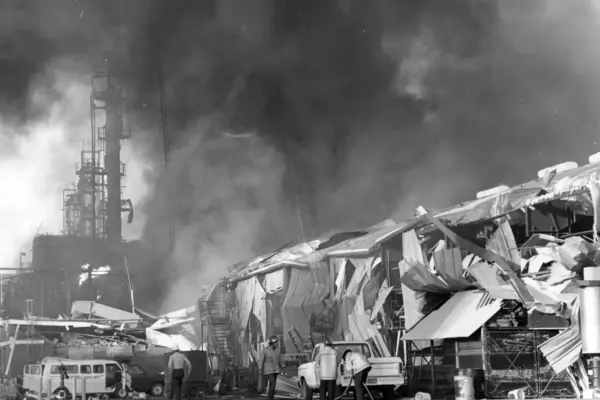
On a fateful day, Iranian missiles struck two Israeli towns, Dimona and Arad, located near a sensitive nuclear site. This decisive moment not only left several individuals injured but also exposed significant vulnerabilities in Israel’s military defenses, which were unable to intercept the incoming missiles. The implications of this attack are profound, as it raises questions about the effectiveness of existing defense systems.
The immediate effects of the missile strikes have reverberated throughout the region. Israel, known for its advanced military technology, now faces scrutiny regarding its ability to protect its citizens from aerial threats. Meanwhile, Iran’s actions signal a bold assertion of its military capabilities, particularly as military experts suggest that Iranian missiles may have the range to reach European cities.
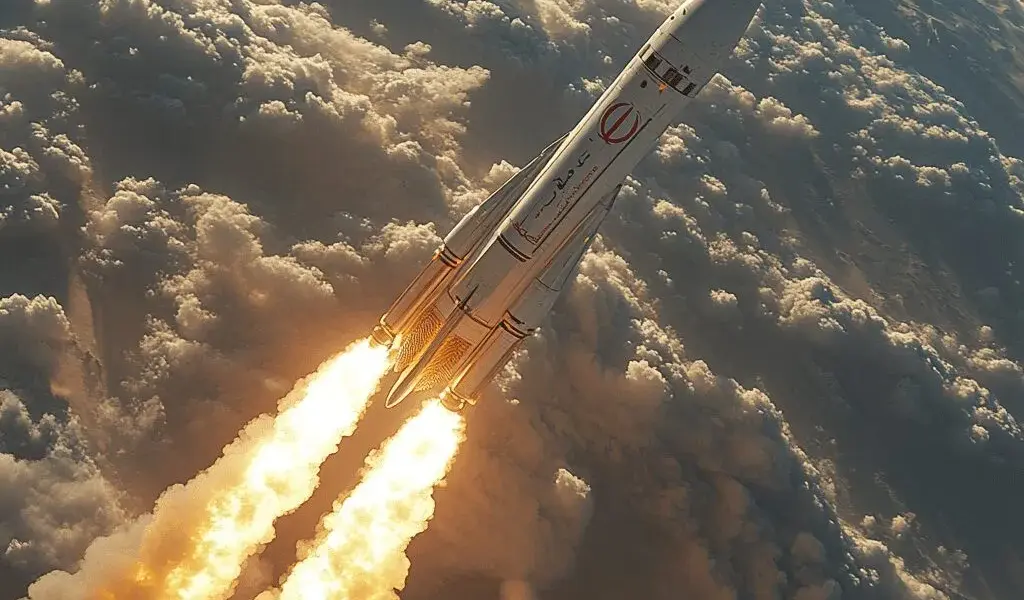
Adding to the complexity of the situation, Iran has been developing longer-range missiles as part of its space program, a fact that underscores its commitment to advancing its military technology. Despite persistent Western accusations, Iran has consistently denied any intentions to develop nuclear weapons, creating a paradox that complicates international relations.
Experts are now questioning the broader implications of this escalation. One analyst posed a critical question: “Can Iranian missiles reach the UK and could our defenses stop them?” This inquiry reflects growing concerns about the potential reach of Iranian military capabilities and the adequacy of global defense strategies.
As the dust settles from the missile strikes, the international community watches closely. The incident serves as a stark reminder of the fragile nature of peace in the region and the ever-present threat of military escalation. Details remain unconfirmed regarding the full extent of the damage and the responses from both nations, but the stakes have never been higher.
In the wake of this attack, diplomatic channels may be tested as both sides navigate the aftermath. The world holds its breath, hoping for a resolution that avoids further conflict while recognizing the reality of an increasingly volatile situation.
You may also like